Nearly 40% of UK property insurance policies offer dangerously ambiguous cover for Electric Vehicle (EV) chargers, a recent industry analysis reveals. This isn't a minor oversight; it's a multi-thousand-pound liability gap for fire, electrical surge, or personal injury claims that insurers are increasingly scrutinising ahead of 2025. For homeowners and business operators, assuming your standard 'fixtures and fittings' clause provides adequate protection is a financial gamble you can no longer afford to take.
The £50,000 Liability Gap Most Property Owners Ignore
The most common question we encounter is, "Is my EV charger automatically covered by my home or business insurance?" The answer is a frustrating and high-stakes 'maybe'. The core of the problem lies in the deliberate ambiguity within standard policy wordings, which were written before high-powered, smart-enabled chargers became common fixtures.
Insurers differentiate between two primary risk categories, and your charger is exposed to both:
-
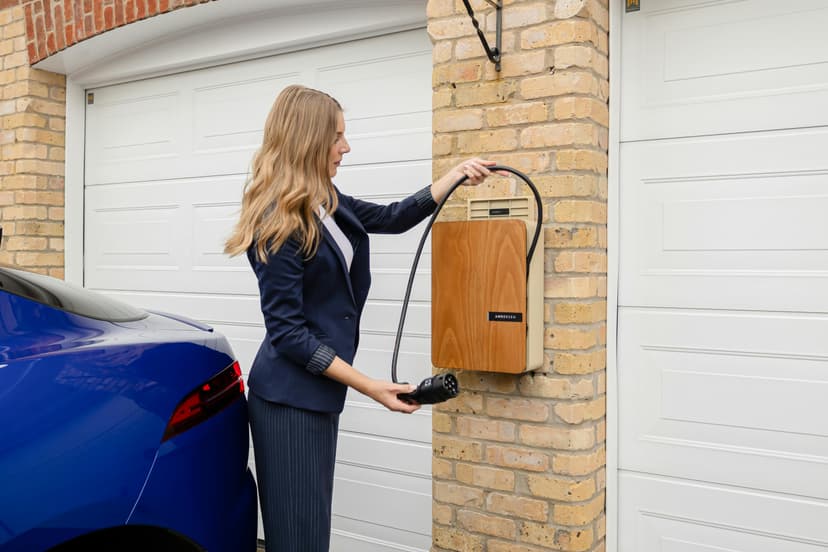
Property Damage: This covers the charger unit itself and your property in the event of a fault. A fire originating from a faulty charger could cause catastrophic damage to your home or commercial premises. The ambiguity arises here: Is a £700 wall-mounted smart charger considered a simple 'outdoor electrical socket', or is it a specialised piece of equipment requiring a specific policy endorsement? Most policies fail to define this, leaving it to the loss adjuster's discretion after an incident.
-
Public Liability: This is the most overlooked risk. If your charger is located on an accessible driveway or a commercial car park, you hold liability for third-party injury or property damage. A person tripping over a charging cable, or a surge from your charger damaging a visitor's vehicle, can lead to substantial liability claims. Standard home insurance public liability limits may be insufficient, and commercial policies may have specific exclusions for EV charging facilities not explicitly declared.
This gap isn't theoretical. A claim denied due to ambiguous wording around a charger-related fire can easily exceed £50,000 in uninsured losses for basic repairs, let alone the costs associated with a total loss or a serious personal injury lawsuit.
Why UK Regulations Make This Critical in 2025
The regulatory environment is tightening, and insurers are using compliance as a primary justification for rejecting claims. By 2025, demonstrating full regulatory adherence for your EV charger installation will be non-negotiable. Two key sets of rules are paramount.
First, for any installation, compliance with the IET Wiring Regulations (BS 7671) is the absolute baseline. Insurers are now demanding the Electrical Installation Certificate (EIC) during the claims process. If you cannot produce this certificate, proving the installation was performed by a qualified electrician to the required standard, they may have grounds to void the claim immediately. It shifts the burden of proof entirely onto you, the policyholder.
Second, the Financial Conduct Authority (FCA) has put insurers on notice regarding policy clarity. Under the FCA's Consumer Duty (specifically, Principle 12 and the 'consumer understanding' outcome), firms are required to ensure their communications equip customers to make effective, timely, and properly informed decisions. A policy that is unclear about coverage for a common, high-value item like an EV charger is in direct conflict with this duty. While this gives consumers a powerful basis for complaint to the Financial Ombudsman Service, it is a reactive measure. Proactively closing the gap is far more effective. The Association of British Insurers (ABI) has also highlighted emerging risks from new technologies in recent reports, signalling to its members that underwriting standards for smart home and EV-related hardware must be sharpened. This internal industry pressure is the driving force behind the increased scrutiny you will face in 2025.
Understanding your exposure to these complex electrical systems is crucial, especially as they integrate with other smart home technologies. For more information on securing your connected property, see our analysis on how smart DIY home security can affect your insurance in 2025.
Real Policy Deep Dive: Aviva vs. Hiscox on 'Fixtures & Fittings'
To illustrate the dangerous ambiguity, let's compare two plausible, representative examples of clauses from major UK insurers. These are illustrative examples based on typical market wordings, designed to show you what to look for in your own policy.
Insurer A (Typical Home Policy Wording, e.g., Aviva):
- Section 3: Buildings Cover. "We cover loss or damage to fixtures and fittings, which are defined as items permanently attached to the fabric of the building. This includes, but is not limited to, plumbing, wiring, and standard electrical sockets."
- The Gap: This wording is dangerously outdated. It forces a loss adjuster to decide if a complex, data-connected, high-load EV charger is equivalent to a "standard electrical socket." It provides no clarity on liability arising from its use, software glitches, or damage to a connected vehicle. An insurer could argue it's a 'specialist vehicle accessory' and not a 'fixture', thereby excluding it from cover.
Insurer B (Typical Commercial or High-Net-Worth Policy Wording, e.g., Hiscox):
- Section 5, Exclusions to Property Damage: "We will not cover damage caused by or arising from electrical equipment that has not been installed and certified in accordance with BS 7671 regulations. Furthermore, liability for injury or damage to third-party vehicles arising from the use of electric vehicle charging equipment is excluded unless specifically declared and endorsed on your policy schedule."
- The Clarity: While stricter, this clause is actually better for the policyholder. It is unambiguous. It tells you exactly what is required: a professional installation certificate and a specific policy endorsement. There is no grey area. This is the level of clarity you must demand from your insurer. It's also vital to ensure that your own EV insurance policy doesn't contain conflicting clauses about where a charging-related fault is covered.
Your 4-Step Action Plan to Close the Liability Gap for 2025
Do not wait for a claim to be denied. Take these four steps immediately to ensure you are fully protected.
-
Secure a Written Policy Endorsement. Contact your insurer or broker. Do not accept a verbal confirmation over the phone. Request a written amendment to your policy schedule that explicitly names the 'Electric Vehicle Charging Point' as a covered fixture. Ask them to confirm the specific indemnity limits for both property damage and public liability arising from its use.
-
Digitise Your Installation Certificate. Locate the Electrical Installation Certificate (EIC) provided by your electrician. If you cannot find it, contact the installer immediately for a copy. Scan it and save it to a secure cloud storage location. Insurers will demand this document, and not having it is a fast track to claim rejection. This is especially critical if you've undertaken other renovations; read more on the insurance implications of DIY and self-build projects.
-
Audit Your Public Liability Limit. Assess the physical location of your charger. If it is on a shared driveway, a public-facing wall, or in a commercial car park, your public liability risk is significantly higher. Review your policy's public liability limit—is £1 million or £2 million sufficient if a delivery driver trips on your cable and suffers a life-altering injury? Consider increasing this limit.
-
Create a Photographic Record. Before any incident occurs, take high-resolution photographs of the charger, its serial number, the installer's branding or sticker, and the surrounding area. Date-stamp these photos. This evidence is invaluable for refuting any potential claim from an insurer that the unit was modified, damaged, or improperly maintained after the certified installation.
This ambiguity is a planned insurer loophole for 2025 — audit your policy declarations page before your next renewal.