Imagine the convenience of home charging for your electric vehicle (EV) – a seamless power-up right in your driveway or garage. Now, consider a less pleasant scenario: your valuable wallbox charger is damaged, vandalized, or worse, stolen. Could you afford to replace it out-of-pocket? In 2026, as EV adoption accelerates, securing your charging infrastructure is as crucial as insuring your vehicle itself.
The proliferation of EVs has made home charging a standard amenity for millions. These sophisticated devices represent a significant investment, not just in the hardware itself but also in the professional installation required for safe and efficient operation. While their convenience is undeniable, their visibility, accessibility, and intrinsic value also make them potential targets for theft or susceptible to accidental damage, electrical surges, or vandalism. This comprehensive guide is designed to navigate the often-complex world of insurance coverage for your EV charger and equip you with robust strategies to prevent theft and damage, ensuring your peace of mind and protecting your substantial investment. We'll explore how your existing policies might apply, what additional coverage you might need, and the practical, proactive steps you can take to safeguard your wallbox in 2026.
Understanding Your Insurance Coverage: Is Your Wallbox Protected?
Your first line of defense against financial loss related to your EV charger often lies within your existing homeowner's or renter's insurance policy. However, the specifics of this coverage are rarely straightforward and require careful examination.
Homeowner's Policy: The First Port of Call
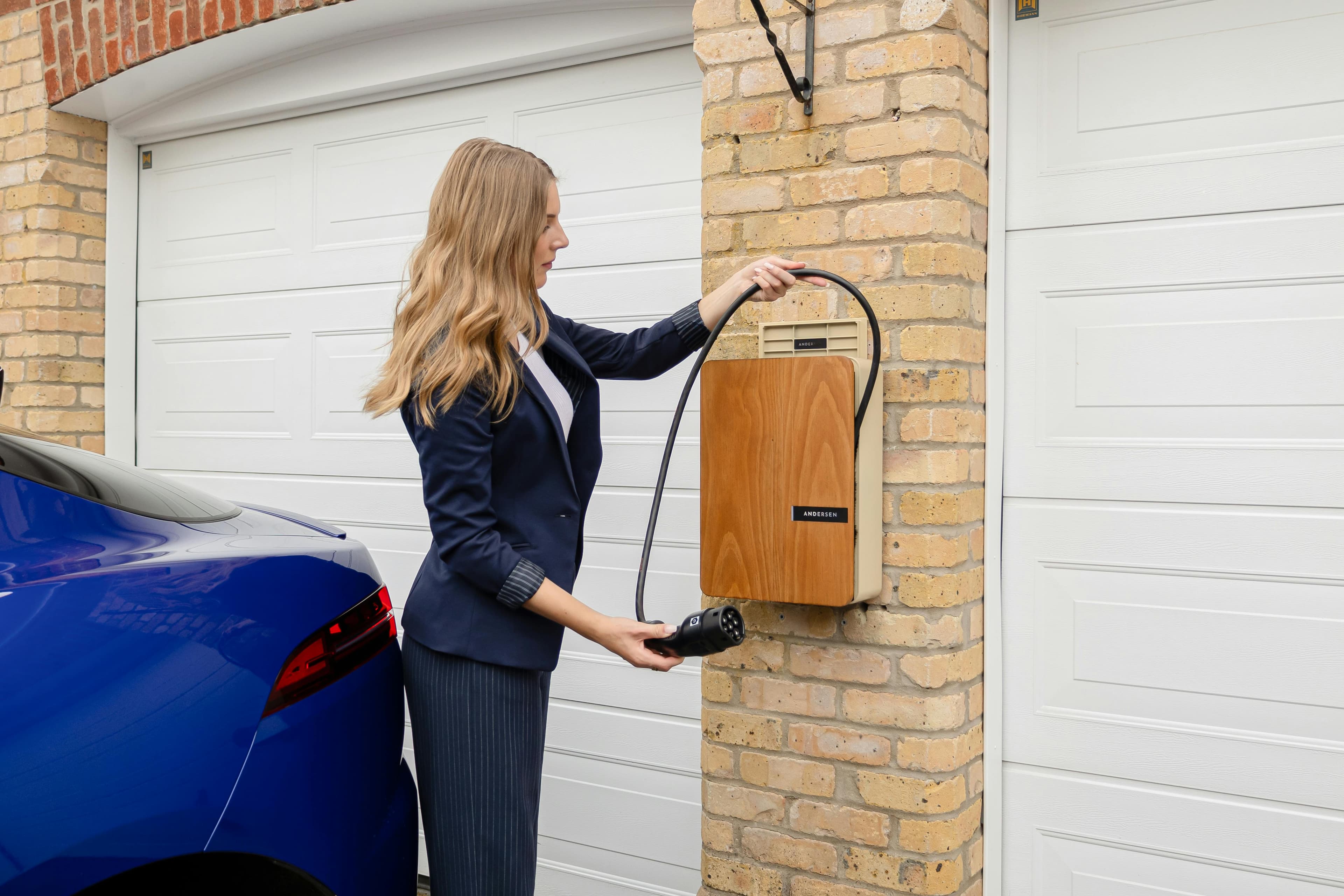
When it comes to insuring your wallbox, the initial step is to check your homeowner's insurance policy for existing coverage of attached fixtures. Most modern policies offer some level of protection for structures and fixtures that are permanently attached to your home. This typically includes items like built-in appliances, central air conditioning units, and, crucially, professionally installed EV charging stations.
A critical distinction your insurer will make is whether your wallbox is considered an "attachment" to your dwelling or "personal property" under your policy. Generally, a permanently wired and mounted wallbox is almost always classified as an "attachment" or part of the dwelling structure, similar to a water heater or a fixed lighting fixture. This means it's usually covered under the dwelling portion of your policy, which typically has higher coverage limits. Portable chargers, however, which are not permanently installed and can be moved between locations, often fall under personal property, which may have different coverage limits, deductibles, and specific exclusions. It's absolutely crucial to clarify this classification directly with your insurance provider to understand the scope of your protection.
Given the relatively new nature of widespread EV charging technology, some standard policies might not explicitly mention EV chargers. Therefore, it's essential to inquire about specific endorsements or riders needed for EV charging equipment. An endorsement is an amendment to an insurance policy that adds, deletes, or changes coverage. Such a rider might explicitly list "EV charging equipment" and provide dedicated protection against specific perils, such as damage from power surges, mechanical breakdown, or even specific types of vandalism not covered by the standard policy. Don't assume your general policy covers everything; always ask your insurer for clarification and explore these additional coverage options.
Navigating Deductibles and Covered Perils
Like any insurance claim, a deductible will apply to claims involving your EV charger. You must consider the deductible amount for potential claims related to your EV charger. Before making a claim, you'll need to weigh the estimated cost of repair or replacement against your policy's deductible. If the repair cost is only slightly above your deductible, it might not be financially advantageous to file a claim, as doing so could potentially impact your future premiums or claims history. Understanding your deductible helps you make informed decisions.
Furthermore, it's vital to determine if accidental damage, vandalism, or theft are covered. Standard homeowner's policies typically cover damage from perils like fire, lightning, and certain weather events. However, specific coverage for accidental damage (e.g., backing into your charger with your car, or damage from falling debris), vandalism, or outright theft can vary significantly. Ensure your policy, or a specific endorsement, explicitly covers these highly relevant scenarios, especially for an outdoor, accessible piece of equipment. Without explicit coverage for these common risks, you could find yourself facing substantial out-of-pocket expenses.
When Homeowner's Coverage Isn't Enough
For high-value installations, commercial charging stations, or simply for homeowners who desire extra peace of mind, it's wise to explore standalone insurance policies for EV charging stations if homeowner's coverage is insufficient. These specialized policies are emerging in the market and are often offered by specialist insurers or even through EV manufacturers themselves. They can provide more comprehensive coverage, often with lower deductibles, broader protection against specific risks associated with EV charging infrastructure (like electrical faults or software-related issues), and even extended warranty-like benefits. Researching these options is a wise step, particularly if your homeowner's policy offers minimal or unclear coverage.
Valuation and Annual Review
When discussing coverage with your insurer, you must be aware of the value of your wallbox, including installation costs, for accurate insurance valuation. Provide a clear and accurate valuation of your wallbox, including the purchase price of the unit itself and the professional installation costs. Keep all receipts, invoices, and documentation related to the purchase and installation. This ensures that in the event of a total loss, your payout is based on the actual replacement cost, not a depreciated value, thereby adequately compensating you for your full investment.
Finally, insurance needs are not static. As EV technology advances, so do the features, capabilities, and costs of charging equipment. Make it a habit to review your policy annually to ensure coverage remains adequate as charger technology evolves. This regular review with your insurance provider ensures your coverage for your EV charger remains robust, up-to-date, and aligned with any changes in your equipment or policy terms. This is especially important in a rapidly evolving market like electric vehicles.
Safeguarding Your Investment: Proactive Theft and Damage Prevention
While insurance provides financial protection after an incident, implementing proactive security measures can often prevent the incident from occurring in the first place. Protecting your EV charger requires a multi-layered approach combining documentation, strategic placement, and technological deterrents.
Documentation and Registration: Your First Line of Defense
In the unfortunate event of theft or damage, detailed documentation is invaluable for your insurance claim and for potential recovery. Make sure to document the serial number and take photos of your wallbox for insurance purposes. Record the manufacturer, model, and serial number of your wallbox accurately. Take clear, well-lit photographs from multiple angles, showing its installation location and any identifying features. Store this information securely, perhaps in a cloud drive, a physical safe, or even with your insurance agent, separate from your home where the charger is located.
Additionally, many manufacturers offer product registration. If applicable, register your EV charger with the manufacturer. This not only validates your warranty but can also aid in recovery if your device is stolen and later identified. Some manufacturers might even offer proprietary anti-theft features or tracking services linked to product registration, providing an extra layer of digital security.
Strategic Placement and Physical Security
The location of your wallbox significantly impacts its vulnerability. Wherever possible, install your wallbox in a secure, well-lit location, preferably out of public view. A garage is ideal, as it offers maximum protection. If it must be installed outdoors, choose a location not easily visible or accessible from the street or public pathways. If visibility is unavoidable, ensure it's in a well-lit area, as good lighting is a known deterrent to opportunistic thieves and vandals.
Beyond location, utilize physical security measures like locks or secure mounting brackets. Many wallboxes are designed with tamper-proof mounting options, but consider additional safeguards. Some units include built-in locks for the charging cable, preventing unauthorized use of your electricity. You can also explore aftermarket security enclosures, robust anti-theft bolts, or strong, secure mounting brackets that make it significantly more difficult to detach the unit from the wall. For chargers in highly exposed areas, consider installing bollards or other physical barriers to prevent vehicular impact.
Technological Deterrents: Smart Security for Smart Charging
Modern security technology offers powerful deterrents that complement physical measures. Consider installing CCTV or motion-activated lighting near the charging station. A visible CCTV camera pointed at your charging station can discourage potential thieves, and recorded footage is crucial evidence if an incident occurs. Motion-activated lighting not only enhances safety for users but also startles and exposes anyone attempting to tamper with your charger. Many smart home security systems integrate these features seamlessly, allowing for remote monitoring and alerts.
Furthermore, many contemporary EV chargers come with smart features that enhance security. These often include the ability to be locked or disabled remotely via a smartphone app, preventing unauthorized use. Some even offer geo-fencing capabilities, rendering the unit inoperable if it's moved outside a designated area, thus reducing its value to thieves. Over-the-air updates can also patch security vulnerabilities, keeping your smart charger resilient against digital threats. For those interested in securing their entire EV ecosystem, including the vehicle itself, understanding comprehensive coverage options like the electric car insurance UK 2026 guide can provide additional peace of mind.
Reporting Incidents Promptly
If, despite your best efforts, your EV charger is stolen or damaged, prompt action is key. Report any theft or damage to both law enforcement and your insurance provider immediately. File a police report as soon as possible; this is almost always a prerequisite for initiating an insurance claim. Then, contact your insurance provider to initiate the claims process. Prompt reporting can increase the chances of recovery and streamline your claim, ensuring you receive the necessary support to replace or repair your essential charging infrastructure.
Conclusion
Your EV charger is more than just a piece of equipment; it's an integral part of your sustainable transportation infrastructure and a significant home improvement. Protecting this investment requires a dual approach: a thorough understanding of your insurance coverage and the proactive implementation of robust security measures. By meticulously reviewing your homeowner's policy, considering specialized endorsements or standalone policies, and diligently securing your wallbox with physical and technological deterrents, you can significantly mitigate the risks of theft, vandalism, and accidental damage.
In 2026, as electric vehicles become an increasingly prevalent sight in driveways across the nation, taking these comprehensive steps is not just prudent—it's essential for ensuring a seamless, worry-free electric driving experience. Don't wait until an incident occurs to assess your vulnerability; take action today to safeguard your EV charging future, protecting both your investment and your peace of mind.