Imagine the sun, not just warming your home, but actively powering it, slashing your energy bills, and boosting your property's value. Solar panels represent a significant, forward-thinking investment in your home and future. As a homeowner embracing sustainable living and smart financial decisions, you’ve likely weighed the environmental benefits, the long-term savings, and the appeal to future buyers. But what happens when unexpected events threaten this valuable asset? Just like your home itself, your solar panel system needs robust protection. Understanding solar panel insurance isn't just about covering losses; it's about safeguarding your peace of mind and the sustained value of your green investment. In 2026, with the increasing adoption of solar technology, knowing the nuances of insurance coverage is more critical than ever for every homeowner.
The Rise of Solar Energy and Your Investment
The landscape of residential energy is rapidly evolving, with solar power leading the charge. Homeowners across the nation are recognizing the immense benefits of photovoltaic (PV) systems, from significantly reducing monthly utility expenses to capitalizing on government incentives and even increasing their property's market appeal. This isn't just a trend; it's a fundamental shift towards more sustainable and economically sound homeownership. Your solar panels are not merely an addition; they are an integral, high-value component of your dwelling, demanding the same level of protection as any other critical asset.
Understanding Homeowners Insurance and Solar Panels
For many homeowners, the initial assumption is that their existing home insurance policy automatically covers their new solar array. While this is often true to a certain extent, the devil is in the details. Navigating the specifics of how your solar panels are protected by your insurance is paramount to avoid unpleasant surprises down the line.
Standard Coverage: What's Usually Included?
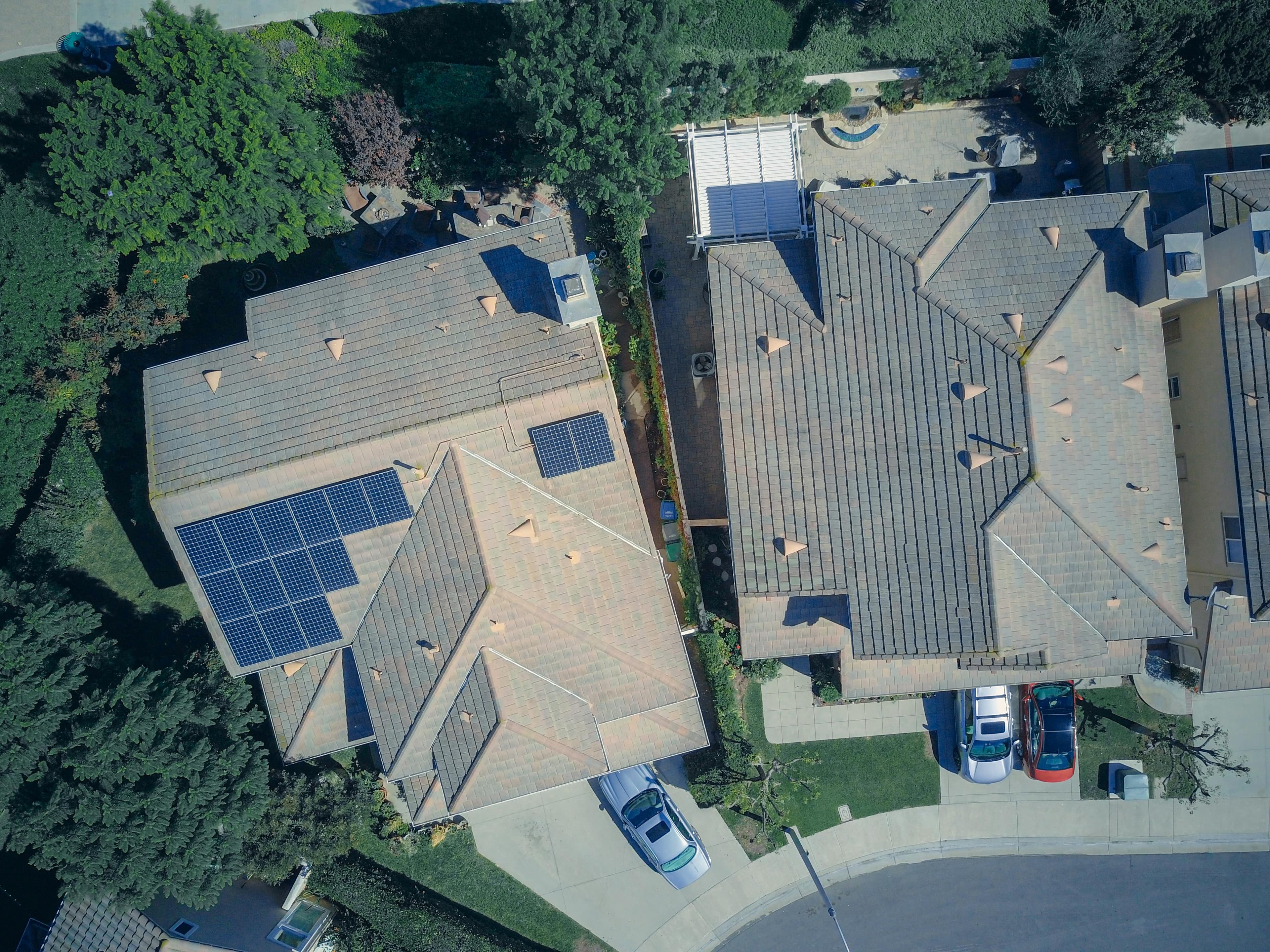
The good news is that most homeowners insurance policies typically cover permanently roof-mounted solar panels as part of the dwelling. This means your solar array is generally treated as an extension of your home's structure. However, it's crucial to understand that coverage can vary widely between providers and policies.
Standard coverage usually extends to a range of common perils. This often includes damage from severe weather events such as hail storms, high winds, and lightning strikes. Fire is another significant risk typically covered, as is theft or vandalism of the panels themselves. Even damage from falling objects, like a tree limb during a storm, is frequently included. This blanket of protection gives homeowners a baseline level of security against many unforeseen circumstances.
Common Exclusions to Be Aware Of
While standard policies offer broad protection, they also come with specific limitations. Exclusions commonly include wear and tear, meaning gradual deterioration over time is not covered – this is part of normal maintenance. Similarly, manufacturing defects are generally excluded, as these are typically addressed by the manufacturer's warranty, which is a separate, crucial form of protection. Damage caused by improper installation is another common exclusion. This highlights the importance of choosing a reputable, certified installer, as their workmanship should be guaranteed and covered by their own insurance (more on this later).
The Critical First Step: Notifying Your Insurer
This point cannot be stressed enough. It is crucial to notify your insurance provider before installing solar panels. This isn't just a suggestion; it's a non-negotiable step to ensure proper coverage. Informing them allows you to confirm precisely how your new system will be covered, clarify any required documentation they might need from you or your installer, and most importantly, ensure the system is explicitly included in your dwelling protection. Failing to do so could lead to significant headaches, or even a denied claim, should damage occur.
Special Considerations for Solar Panel Insurance
Beyond the basic coverage, several unique aspects of solar panel ownership warrant special attention when reviewing your insurance policy. These considerations can significantly impact the adequacy of your protection.
Ground-Mounted vs. Roof-Mounted Systems
Not all solar installations are created equal in the eyes of an insurer. Ground-mounted solar systems or those on external structures (like sheds or carports) may be covered differently than roof-mounted ones. These systems are often classified under the 'other structures' portion of your policy, which typically comes with lower coverage limits compared to your main dwelling. This could mean that in the event of severe damage, the payout might not be enough to cover the full replacement cost. In such cases, you might require an additional endorsement or even a separate policy to ensure adequate protection for these specific types of installations.
Adjusting Your Dwelling Coverage
Installing solar panels is an upgrade that enhances your property's value. Adding solar panels can increase your home's replacement value, sometimes significantly. This means that your existing dwelling coverage limits, which were calculated before the solar installation, might no longer be sufficient. It may necessitate adjusting your dwelling coverage limits to ensure adequate protection and, critically, avoid being underinsured. Being underinsured means that in the event of a total loss, your policy might only pay a fraction of the actual cost to rebuild your home and replace your solar system, leaving you with a substantial out-of-pocket expense. A periodic review of your home's value, including all improvements, is always a wise strategy. For more insights on how property improvements can affect your home's worth and energy efficiency, you might find our guide on EPC Rating: Boost Sale Price & Slash Bills particularly helpful.
Impact on Premiums: What to Expect
Understandably, homeowners are often concerned about how solar panels will affect their insurance premiums. While solar panels may increase your home insurance premiums, the increase is usually modest. It often ranges from $75 to $150 annually, though this can vary. Factors influencing this increase include the size and cost of your solar system, your geographical location (e.g., areas prone to severe weather), and the specific coverage options you choose. The small increase in premium is generally a minor cost when weighed against the significant investment and the peace of mind comprehensive coverage provides.
Warranties vs. Insurance: A Clear Distinction
It's easy to confuse the protection offered by product warranties with that provided by an insurance policy. It's crucial to understand the difference between manufacturer warranties and insurance. Manufacturer warranties are specific to the solar panels and components themselves. They typically cover defects in manufacturing or performance degradation (e.g., if panels produce less power than guaranteed over time). Insurance, on the other hand, covers external damage or loss due to perils like fire, theft, hail, or vandalism. These two forms of protection are complementary, not interchangeable, and both are vital for comprehensive safeguarding of your investment.
Beyond Standard Coverage: Protecting Your Solar System Fully
To truly secure your solar investment, it’s worth exploring additional layers of protection that go beyond the basic homeowners policy.
Installation Damage: Who's Responsible?
The installation phase is a critical period where significant risks can arise. Damage occurring during installation is typically the responsibility of the contractor's insurance. This includes accidental damage to your roof, the panels themselves, or even injury to workers. Therefore, it is paramount to ensure your installer carries appropriate liability and workmanship coverage. Always ask for proof of their insurance before any work begins. A reputable contractor will be transparent and readily provide this documentation, giving you confidence in their professional standards and accountability.
Liability Coverage: An Overlooked Aspect
While often associated with physical damage to your property, liability coverage also plays a role with solar panels. It's important to review your policy's liability coverage, as it protects you if your solar panels cause property damage or injury to others. For instance, if a panel detaches during a severe storm and causes damage to a neighbor's property, or if a defect in the system leads to an electrical fire that spreads, your personal liability coverage would step in. Ensuring adequate liability limits is essential for any homeowner, but particularly for those with systems that could potentially pose a risk to others if compromised.
Equipment Breakdown Coverage: The Smart Upgrade
Beyond external damage, solar systems, like any complex electronic equipment, can suffer internal failures. Consider equipment breakdown coverage, which is an often-overlooked but highly valuable endorsement. This type of coverage protects against mechanical failure or electrical issues within your solar system components like inverters, wiring, or even the panels themselves, that are not caused by external perils and are beyond the scope of a standard warranty (e.g., a power surge that isn't lightning-related but causes an inverter to fail). For a relatively small additional premium, this coverage can save you thousands in repair or replacement costs for internal malfunctions.
Leased Solar Panels: A Different Insurance Landscape
For homeowners who have opted for a solar lease or Power Purchase Agreement (PPA) instead of outright purchasing their system, the insurance responsibilities shift significantly.
For leased solar panels, the leasing company usually insures the system. Since they retain ownership, they are typically responsible for covering damage to the equipment itself. However, this doesn't absolve you of all responsibility. You should always review your lease agreement and confirm coverage responsibilities. Your homeowner's policy might still need to cover damage to your roof caused by a malfunctioning leased system, or your liability if the leased system causes harm to others. Understanding the interplay between the leasing company's insurance and your homeowner's policy is crucial to avoid gaps in protection.
Actionable Steps for Solar Homeowners
To summarize and provide a clear path forward, here are the essential steps every solar homeowner should take:
- Communicate Early: Always inform your insurer before installation.
- Review Thoroughly: Scrutinize your policy's dwelling coverage, exclusions, and 'other structures' limits.
- Adjust Coverage: Increase dwelling limits if necessary to reflect the added value of your solar system.
- Consider Endorsements: Explore equipment breakdown and enhanced liability coverage.
- Verify Installer's Insurance: Demand proof of liability and workmanship coverage from your solar installer.
- Understand Warranties: Know the difference between product warranties and insurance.
- Lease Agreements: If leasing, understand your specific insurance responsibilities outlined in the contract.
Conclusion
Investing in solar panels is a smart move for your property, your finances, and the environment. But like any significant home improvement, it comes with the responsibility of adequate protection. By proactively engaging with your insurance provider, understanding the nuances of your policy, and considering supplemental coverage options, you can safeguard your solar investment against unforeseen events. Don't let a lack of knowledge expose your green asset to risk. Take the time to understand your solar panel insurance now, and enjoy the benefits of sustainable energy with complete peace of mind for years to come.