The quiet hum of an electric car is becoming an increasingly common sound on UK roads in 2026. As the nation accelerates towards a greener future, the adoption of electric vehicles (EVs) continues to soar. With this surge, a perennial question often arises among prospective and current EV owners: "Is electric car insurance significantly more expensive than for a petrol or diesel vehicle?" This article aims to dismantle prevailing misconceptions, provide a clear-eyed view of the EV insurance landscape in 2026, and equip you with the essential knowledge and strategies to secure the most competitive and comprehensive deal for your electric ride.
The Shifting Landscape of EV Insurance in 2026: Dispelling the Price Myth
One of the most persistent myths surrounding electric cars is that their insurance premiums are prohibitively expensive. This perception, while perhaps rooted in early market trends, is increasingly outdated in 2026. Myth Debunked: Electric car insurance is not inherently more expensive than petrol or diesel car insurance in 2026; the cost gap continues to narrow. As the EV market matures and the technology becomes more mainstream, insurers are developing a deeper understanding of these vehicles, leading to more competitive pricing.
However, it's important to understand why this perception existed and what factors still influence pricing. The higher initial purchase prices of EVs, particularly for newer models with cutting-edge technology, naturally lead to a higher sum insured, which can translate to higher premiums. Furthermore, the significant cost of battery replacement or repair, often a major component of an EV's value, remains a key consideration for insurers. A damaged battery pack can represent a substantial claim, and this risk is factored into the premium.
Beyond the initial cost, specialized repair requirements for EVs also play a role. Unlike conventional vehicles, electric cars demand trained technicians with specific expertise in high-voltage systems. The parts, too, can be more bespoke and harder to source, particularly for less common models. This can increase repair times and costs, which, in turn, impacts insurance premiums. Insurers need to ensure that their approved repair networks are equipped to handle these advanced vehicles safely and efficiently, and the investment in such infrastructure is reflected in their pricing models.
Unpacking EV-Specific Coverages: What to Look For
Electric vehicle insurance isn't just a carbon copy of traditional car insurance; it often includes unique protections tailored to the distinct characteristics of EVs. Understanding these specific coverages is vital when comparing policies and ensuring your investment is fully protected.
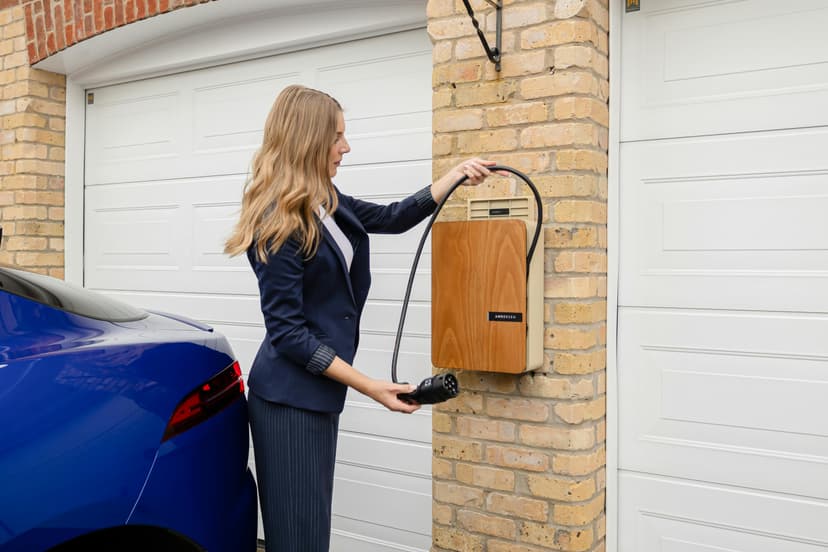
EV insurance policies frequently include specific coverages for crucial components such as charging cables, home charging points, and battery damage or theft. Imagine your charging cable, an essential piece of equipment, being stolen or damaged while plugged in at a public charging station – without specific coverage, this could be an unexpected expense. Similarly, your home charging point, a significant investment in itself, should be protected against damage or theft. The battery, being the most expensive single component of an EV, is typically a focal point for comprehensive coverage, protecting against accidental damage, fire, or theft.
Another highly beneficial, and often unique, EV-specific coverage to actively seek out is out-of-charge recovery. This addresses a concern unique to electric vehicles – the possibility of running out of power while on the road, often referred to as 'range anxiety'. A dedicated out-of-charge recovery benefit ensures that if your battery runs flat, your insurer will arrange for your vehicle to be transported to the nearest charging point or a safe location, rather than simply offering a standard breakdown service that might tow you to a garage not equipped for EV charging. This peace of mind is invaluable for many EV drivers.
Smart Strategies to Lower Your EV Insurance Premiums
While some factors influencing EV insurance costs are inherent to the technology, there are numerous proactive steps you can take in 2026 to significantly reduce your premiums without compromising on essential coverage. Just as savvy investors explore their options in the property market, perhaps looking into resources like our guide on UK Buy-to-Let 2026: Navigating Rates, Rents & Reforms for informed decisions, securing the right EV insurance requires similar diligence and strategic thinking.
Comprehensive Comparison is Key
One of the most fundamental steps is to compare quotes from multiple insurers. While comparison sites are a great starting point, they don't always feature every provider, especially those specialising in EV insurance or smaller, niche insurers. It is essential to cast your net wider and obtain direct quotes from insurers not listed on these platforms. Some providers may offer better deals for EVs as part of their strategy to attract environmentally conscious drivers.
Embrace Telematics
Telematics (black box) insurance can be particularly beneficial for EV drivers. Electric cars are renowned for their smooth, quiet operation and often encourage a more measured driving style. This typically translates into lower risk profiles. Insurers using telematics can directly observe and reward this safer, smoother driving behaviour, often resulting in lower premiums. If you consider yourself a careful driver, a telematics policy could unlock substantial savings.
Financial Management & Policy Structure
- Pay Annually: If you have the means, paying your annual premium in one lump sum is almost always cheaper than opting for monthly instalments, which often include interest charges.
- Higher Voluntary Excess: Choosing a higher voluntary excess – the amount you agree to pay towards a claim before your insurer pays the rest – can significantly reduce your premium. However, it's crucial to only opt for an excess you can comfortably afford in the event of a claim. An unmanageable excess can negate any initial savings.
- Build a Strong No-Claims Discount (NCD): Your NCD is one of the most powerful tools for reducing insurance costs over time. Driving safely and avoiding claims will allow your NCD to grow, leading to substantial savings year after year. Protect it where possible.
Vehicle & Personal Security
Improving your vehicle's security can directly lead to lower insurance costs. Parking in a locked garage or on a secure driveway, especially overnight, significantly reduces the risk of theft or vandalism. Installing approved security devices suchmatics (GPS trackers), immobilisers, or alarms can also be viewed favourably by insurers. Always declare any security enhancements to your insurer.
Understand Insurance Groups
The insurance group of an electric car significantly influences its premium. Just like conventional vehicles, EVs are categorised into groups from 1 (cheapest to insure) to 50 (most expensive). Factors like performance, security features, and repair costs determine a vehicle's group. Generally, smaller, more affordable EV models tend to be in lower groups. If you're yet to purchase your EV, checking its insurance group beforehand can provide a good indication of potential costs and help you make a more financially informed decision.
The Maturing Market & Long-Term Savings Potential
The electric car insurance market is maturing rapidly. What was once a niche offering is now a mainstream necessity, with increasing competition among providers. This competition is a significant win for consumers, leading to more tailored and potentially more affordable policy options for 2026. As insurers gain more data and experience with EVs, their risk assessments become more accurate, often resulting in better pricing.
While upfront EV costs can be higher than their petrol or diesel counterparts, it’s crucial to remember the broader financial picture. The lower running costs from cheaper charging, especially when utilising off-peak tariffs or home solar, and reduced maintenance requirements (fewer moving parts, no oil changes, simpler braking systems) can often offset some of the initial insurance differences. Over the lifespan of the vehicle, these savings can be substantial, making the overall cost of EV ownership increasingly attractive.
Navigating the EV Insurance Journey: A Step-by-Step Guide
To summarise, finding your best EV insurance deal in 2026 involves a proactive and informed approach:
- Do Your Homework: Research specific EV models for their insurance groups and common repair costs.
- Shop Around Extensively: Use comparison sites but also get direct quotes from specialist EV insurers and smaller providers.
- Highlight Your Driving Habits: Consider telematics if you're a careful driver.
- Optimise Payment: Pay annually if feasible.
- Review Excess: Select a voluntary excess you can comfortably afford.
- Maximise Security: Implement and declare any security enhancements.
- Prioritise EV-Specific Cover: Ensure your policy includes protection for charging cables, home charging points, battery damage/theft, and critically, out-of-charge recovery.
- Leverage Your NCD: Protect and grow your no-claims discount.
Conclusion
The narrative that electric car insurance is inherently more expensive is, in 2026, largely a myth being steadily debunked. While certain factors related to EV technology and repair can influence premiums, the maturing market, coupled with intelligent comparison and strategic choices, means that securing a competitive and comprehensive policy is entirely within reach for UK EV owners. By understanding the unique aspects of EV insurance, embracing smart shopping habits, and leveraging available discounts, you can protect your electric vehicle effectively, enjoy its lower running costs, and contribute to a greener future without breaking the bank on your premiums. Drive forward with confidence, knowing you've found your best deal in 2026.