Imagine a home that anticipates your needs, secures itself against threats, and optimizes every resource without you lifting a finger. This isn't a scene from a sci-fi movie; it's the present reality taking shape in 2025, driven by the powerful synergy of Edge Computing and the Internet of Things (IoT). For real estate professionals, investors, and homeowners alike, understanding this technological convergence is no longer a luxury but a necessity for navigating the evolving landscape of property value and modern living. The shift is profound, promising not just convenience, but tangible economic benefits and an unparalleled quality of life.
The Dawn of Intelligent Living: Why Smart Homes Matter
The concept of a "smart home" has moved far beyond simple voice assistants and programmable thermostats. Today, it encompasses an intricate network of devices and systems that communicate, learn, and adapt. This evolution is fundamentally reshaping how properties are valued, marketed, and experienced. Prospective buyers in 2025 are increasingly seeking homes that offer a technological edge, viewing smart infrastructure as a cornerstone of modern comfort, security, and efficiency. As the digital fabric of our lives becomes more intertwined with our physical spaces, the intelligent home emerges as a critical differentiator in a competitive market. It’s about creating environments that are not just functional, but truly intuitive and responsive to the rhythm of daily life.
Beyond Basic Automation: The Edge Computing Advantage
While IoT devices have paved the way for smart homes, Edge Computing is the unseen force elevating them to unprecedented levels of sophistication and reliability. Traditionally, smart devices would send all their data to a central cloud server for processing before sending commands back. This round trip introduced delays and vulnerabilities. Edge Computing fundamentally alters this paradigm by moving data processing closer to the source – right within the home itself.
Enhanced Responsiveness and Reduced Latency
One of the most immediate and impactful benefits of edge computing in smart homes is the dramatically enhanced responsiveness and reduced latency for smart home devices. Imagine a security camera that identifies an unfamiliar face at your door, processes that image locally, and alerts you instantaneously. Or a smart thermostat that adjusts based on real-time room occupancy and individual preferences without a noticeable delay. This near-instantaneous reaction time is crucial for critical functions like security, climate control, and even personalized entertainment, transforming a smart home from merely automated to truly intelligent and proactive. For instance, the difference between a cloud-dependent system reacting in seconds versus an edge-powered system reacting in milliseconds can be critical in preventing a security breach or ensuring optimal comfort.
Improved Data Security and Privacy
In an era where data breaches are a persistent concern, improved data security and privacy stands out as a paramount advantage. By minimizing the need to send sensitive information, such as surveillance footage, biometric data, or daily routines, to the cloud, edge computing significantly reduces exposure risks. Processing data locally means your home’s most intimate details remain within its secure perimeter, offering homeowners greater peace of mind. This localized processing acts as a robust shield, protecting personal information from potential interception or misuse by third parties. For those concerned about digital privacy, an edge-enabled smart home offers a compelling solution, establishing a stronger bastion against cyber threats.
Greater Reliability of Smart Home Systems
The reliance on a constant, high-speed internet connection for cloud-based smart home systems often leads to frustration when connectivity falters. Edge computing addresses this directly, ensuring greater reliability of smart home systems, even with intermittent internet connectivity. Essential functions like lighting control, door locks, and alarm systems can continue to operate seamlessly, processing commands and maintaining their logic locally. This resilience means your smart home remains functional and secure during internet outages, a critical factor for both convenience and safety. A power cut might still present challenges, but an internet hiccup won't render your entire smart infrastructure inert.
Reduced Internet Bandwidth Consumption
A less obvious but equally significant benefit is the reduced internet bandwidth consumption and associated costs by processing data at the edge. With numerous smart devices generating constant data streams – from security cameras to environmental sensors – sending all this raw information to the cloud can quickly strain a home's internet connection and incur higher data charges. Edge computing intelligently filters and processes data locally, sending only necessary insights or alerts to the cloud. This efficiency frees up bandwidth for other activities and can lead to measurable savings on internet plans, making the smart home ecosystem more sustainable and cost-effective in the long run.
IoT: Weaving the Fabric of a Smarter Home
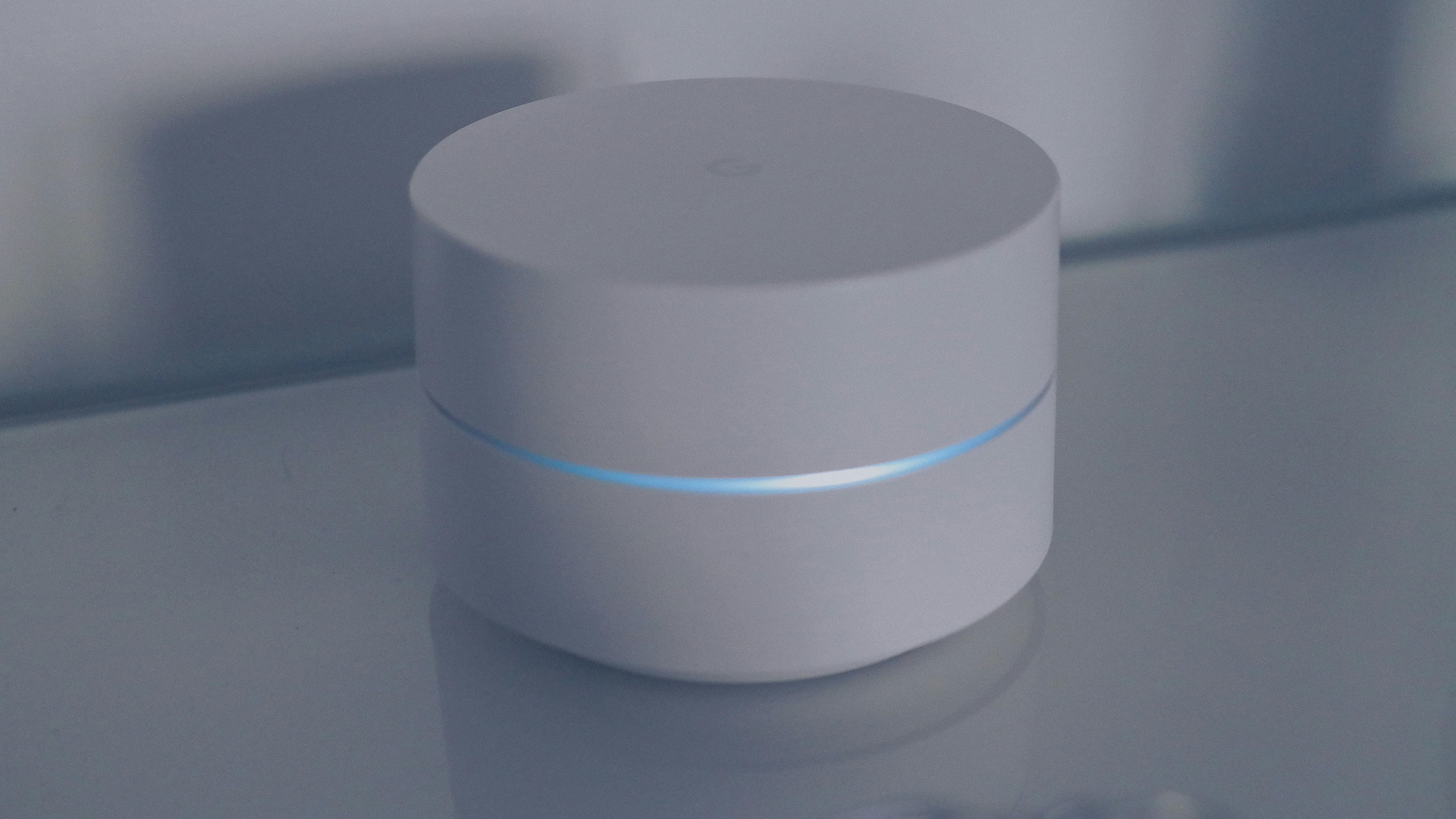
While edge computing provides the brain, IoT devices are the nervous system and sensory organs of the intelligent home. From smart lighting and thermostats to sophisticated security cameras and health monitors, these interconnected devices collect and transmit data, enabling a holistic view and control over the living environment. The sheer variety and growing intelligence of IoT devices mean that homes can be tailored to an unprecedented degree.
Personalized Experiences and Predictive Intelligence
The combination of IoT data and local edge processing unlocks truly more personalized and adaptive user experiences driven by on-device AI and machine learning. Your smart home can learn your routines, preferences, and even your mood. It can adjust lighting based on the time of day and your activity, optimize temperature settings for individual family members, or play music that matches your current emotional state, all without constant manual input. This level of personalization transforms a house into a truly responsive living space, anticipating needs and proactively creating the ideal environment for its occupants.
Furthermore, this intelligence extends to predictive maintenance capabilities for home systems and appliances, preventing costly failures. Imagine your HVAC system notifying you weeks in advance that a specific part is showing wear and tear and recommending a service appointment, rather than breaking down on the hottest day of the year. Or a smart water leak detector identifying a minor drip before it escalates into a catastrophic flood. By continuously monitoring performance data and applying machine learning algorithms, smart homes can anticipate problems, allowing for proactive intervention and saving homeowners significant time, money, and stress associated with emergency repairs.
The true power of IoT also lies in its capacity for seamless integration and interoperability between diverse IoT devices within the home ecosystem. No longer are smart devices siloed, operating independently. Instead, they form a cohesive network where a smart lock can communicate with the lighting system, and a motion sensor can trigger a security camera. This interoperability, often facilitated by open standards and edge hubs, creates a truly unified and intelligent environment where all components work in harmony to enhance comfort, security, and efficiency.
Elevating Property Value and Market Appeal
For the real estate sector, the advent of edge-enabled smart homes presents a transformative opportunity. Properties equipped with this advanced infrastructure are not just homes; they are intelligent assets ready for the demands of modern living.
Boosted Property Value and Market Appeal
The integration of advanced smart home technologies translates directly into boosted property value and market appeal. In 2025, a home featuring robust edge computing capabilities, comprehensive IoT integration, and demonstrated energy efficiency immediately stands out. These features are no longer niche selling points; they are increasingly expected by discerning buyers who understand the long-term benefits of a technologically advanced property. A smart home offers a superior living experience, but also represents a lower cost of ownership over time due to efficiency and proactive maintenance. This makes it a more attractive, future-proof investment in a competitive market. Developers and real estate agents can leverage these features as key differentiators, justifying higher valuations and attracting a broader pool of buyers.
Future-Proofing Homes
Investing in edge computing and IoT is essentially future-proofing homes by creating a flexible and scalable infrastructure for emerging technologies. As new smart devices and services come to market, an edge-enabled home is better equipped to integrate them seamlessly without requiring major overhauls. This inherent adaptability protects the initial investment in smart technology and ensures the home remains cutting-edge for years to come. Homeowners won't be stuck with outdated systems that can't communicate with newer innovations, safeguarding their property's modern functionality and resale value in a rapidly advancing technological landscape.
Practical Benefits: Energy, Security, and Care
Beyond market value, the day-to-day practical advantages of edge-powered smart homes are profound, touching upon critical aspects of daily life.
Increased Energy Efficiency
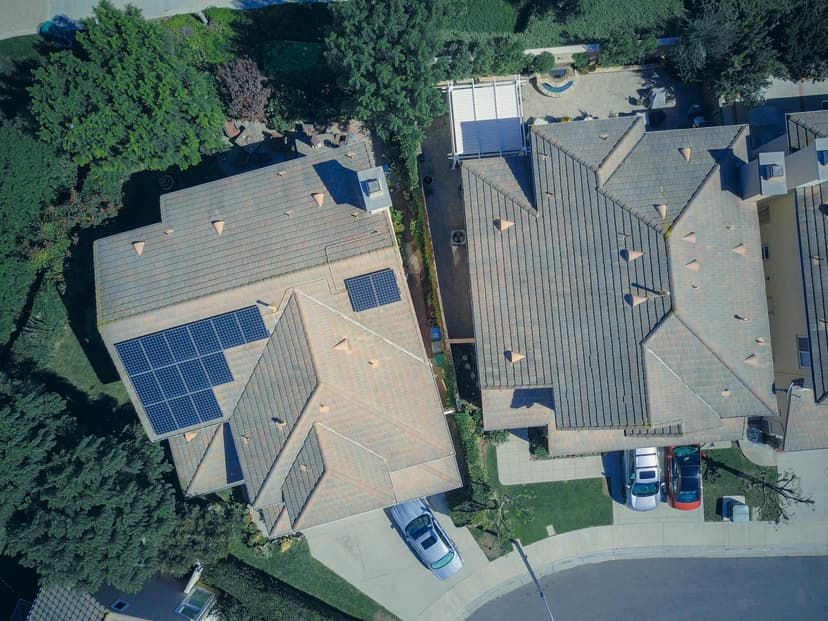
One of the most tangible benefits is increased energy efficiency through optimized management of heating, cooling, lighting, and appliances. Edge computing allows for granular, real-time adjustments based on occupancy, external weather conditions, and even individual device performance. For example, a system can learn when rooms are typically vacant and automatically adjust climate control, or dim lights in unoccupied areas, far more effectively than a simple timer. This intelligent optimization significantly reduces energy waste, leading to lower utility bills and a reduced carbon footprint, an increasingly important factor for environmentally conscious homeowners.
Enhanced Home Security
Enhanced home security with faster anomaly detection and local processing of surveillance data is another cornerstone benefit. Edge devices can rapidly analyze video feeds for unusual activity, identify specific threats, and alert homeowners or emergency services far quicker than systems reliant on cloud processing. For instance, an edge-enabled camera can distinguish between a family member, a delivery person, or a potential intruder, providing intelligent alerts rather than just generic motion detections. This localized intelligence not only makes homes safer but also provides a more accurate and reliable security system. For instance, just as digital innovation is reshaping how we protect our assets, similar advancements are transforming home insurance, leading to more personalized protection tailored to your smart home's unique needs. You can explore more about this shift in the UK home insurance digital personalization revolution.
Support for Ambient Assisted Living and Elderly Care
Critically, smart homes are becoming invaluable for support for ambient assisted living and elderly care through localized health monitoring and alerts. Edge devices can monitor vital signs, detect falls, track activity patterns, and even manage medication reminders, all while processing sensitive health data locally to ensure privacy. This technology allows elderly individuals to maintain independence in their own homes for longer, providing invaluable peace of mind for families. In emergencies, the system can quickly alert caregivers or medical professionals, making smart homes a powerful tool for promoting well-being and safety for vulnerable populations.
Building the Intelligent Ecosystem: Robust and Scalable
The convergence of edge computing and IoT isn't just about individual devices; it's about fostering a comprehensive, resilient, and adaptive living environment.
Creation of More Robust and Intelligent Smart Home Ecosystems
Ultimately, edge computing enables the creation of more robust and intelligent smart home ecosystems with localized decision-making. Instead of relying on a distant, singular cloud server, the intelligence is distributed throughout the home. This decentralization makes the system more resilient to failures, more responsive to immediate needs, and inherently more secure. Each smart device, empowered by edge processing, contributes to a collective intelligence, allowing the home to operate as a truly interconnected and self-optimizing entity. This localized decision-making enhances system reliability and autonomy, ensuring the home functions optimally even in complex scenarios.
Conclusion: The Smart Home is Here to Stay
The future of smart homes, powered by the dynamic duo of edge computing and IoT, is not a distant vision but a rapidly unfolding reality in 2025. This technological evolution is redefining convenience, security, and sustainability in our living spaces, fundamentally enhancing everyday life. For the real estate industry, these advancements represent a crucial shift, offering unparalleled opportunities to boost property value, attract tech-savvy buyers, and future-proof investments. As homeowners increasingly prioritize intelligent, responsive, and secure living environments, properties that embrace edge computing and IoT will undoubtedly lead the market. The smart home is no longer a luxury; it is the intelligent foundation for modern living, offering an unprecedented blend of comfort, efficiency, and peace of mind. Investing in this revolution isn't just about upgrading a house; it's about investing in a smarter, more valuable future.