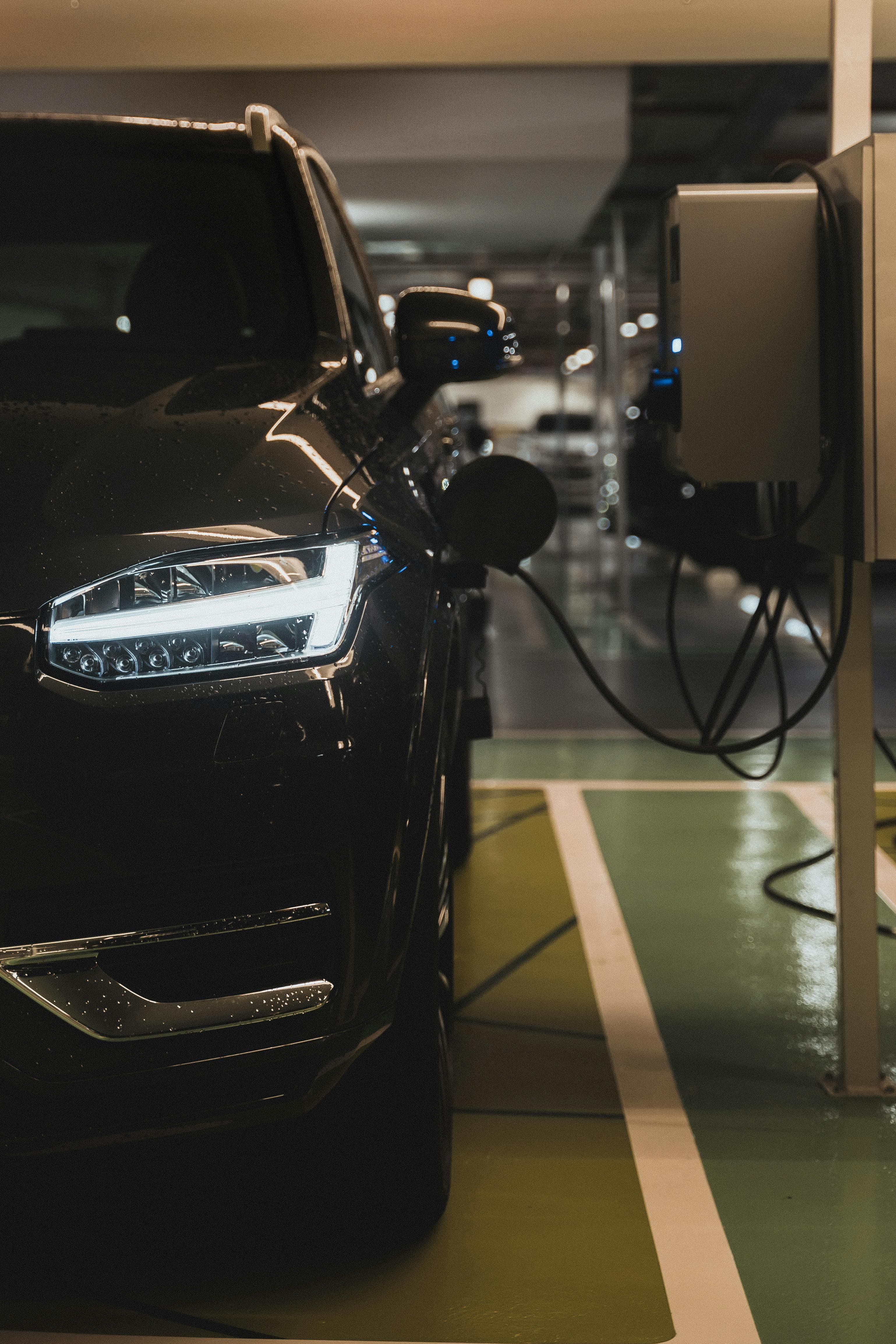
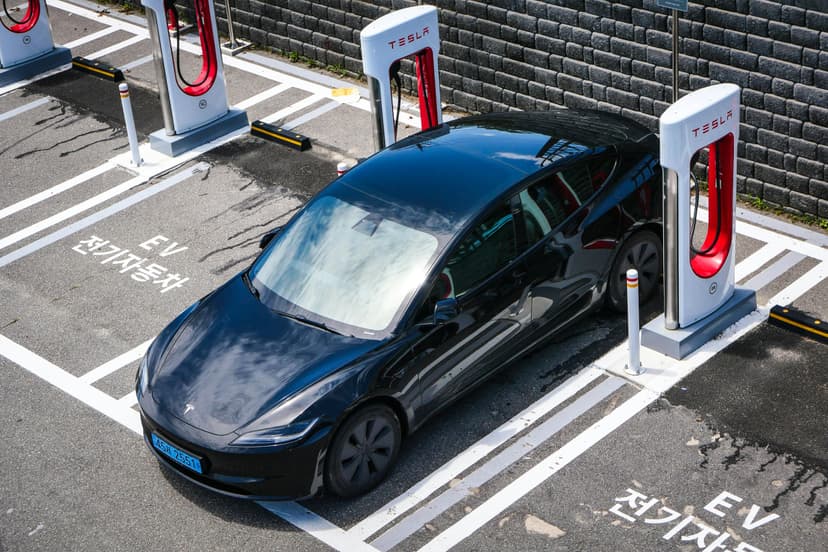
The hum of an electric vehicle (EV) is often synonymous with innovation, environmental responsibility, and a futuristic driving experience. As more drivers embrace the electric revolution, a common question arises: why does insuring an EV often come with a higher price tag than its petrol or diesel counterparts? It's a question that catches many prospective EV owners off guard, dimming the initial excitement with the reality of insurance premiums. But understanding why these costs are higher is the first step toward strategically reducing them. In 2025, with EV adoption accelerating, knowing the intricacies of EV insurance isn't just smart; it's essential for anyone looking to make a genuinely cost-effective transition to electric driving. Don't let perceived high insurance costs deter you; instead, arm yourself with knowledge and proven strategies to keep your premiums in check.
Why EV Insurance Demands a Higher Premium
Electric vehicles are marvels of modern engineering, packed with cutting-edge technology, powerful batteries, and sophisticated safety systems. While these features enhance the driving experience, they also introduce unique challenges for insurers, leading to higher premiums.
The Cost of Innovation: Higher Replacement Value
One of the most significant factors driving up EV insurance costs is the higher upfront purchase price of electric vehicles. While prices are gradually becoming more competitive, EVs generally represent a more substantial investment than conventionally fueled cars of a similar class. In the unfortunate event of a total loss – where the vehicle is deemed irreparable – the insurance payout for an EV will inherently be higher to cover the replacement cost. This increased financial exposure for insurers directly translates to higher premiums, reflecting the greater risk of a large payout.
Specialized Components, Specialized Costs
Underneath the sleek exterior of an EV lies a complex array of specialized components, most notably the high-voltage battery pack. These batteries are not only expensive to produce but also costly to replace or repair if damaged. Unlike traditional internal combustion engine (ICE) vehicles where parts might be standardized and widely available, EV-specific parts, particularly battery modules and electric motors, often require specialized manufacturing and supply chains. Even minor damage to the battery casing or internal components can necessitate extensive repairs or even full replacement, pushing up the overall repair bill significantly compared to repairing a petrol engine.
The Mechanic Gap: Expertise at a Premium
Another critical factor is the limited availability of qualified EV mechanics and specialized repair facilities. Working on high-voltage systems requires specific training, tools, and safety protocols that many conventional garages simply do not possess. This scarcity means that when an EV needs repair, it often has to go to a specialized workshop, which might be further away, increasing towing costs, and the labor rates for these highly skilled technicians are typically higher. The longer a vehicle is off the road awaiting specialized attention, the higher the potential for courtesy car costs, further contributing to insurer expenses.
Advanced Tech: A Double-Edged Sword
Modern EVs are laden with advanced driver-assistance systems (ADAS), sophisticated sensors, cameras, and intricate software. Features like adaptive cruise control, lane-keeping assist, automatic emergency braking, and panoramic parking cameras are often standard or widely available. While these technologies significantly enhance safety and convenience, they are incredibly complex and expensive to repair or recalibrate after an accident. A seemingly minor bumper bash on an EV could involve replacing multiple sensors, cameras, and recalibrating the entire ADAS suite, a process far more intricate and costly than repairing a traditional bumper. These integrated systems contribute significantly to the higher repair costs associated with EVs.
For a deeper dive into the fundamental factors influencing these premiums and what drives them beyond the surface, you might find our article on EV Insurance Costs: What Drives Them & How to Save insightful.
7 Smart Strategies to Slash Your EV Insurance Costs
While EV insurance might initially appear more expensive, there are numerous proactive steps you can take to significantly reduce your premiums without compromising on essential coverage. Here are seven smart ways to cut your costs:
1. Shop Around Aggressively
This is perhaps the most fundamental and effective strategy for any type of insurance, and it holds particularly true for EVs. The EV insurance market is still evolving, and different insurers have varying risk assessment models, data, and appetite for electric vehicle policies. What one insurer quotes as exorbitant, another might offer at a much more competitive price. Don't settle for the first quote you receive. Use comparison websites, but also consider getting direct quotes from insurers who may not be listed on aggregators. Regularly shopping around at renewal time, and even a few weeks before, can yield substantial savings as insurers update their pricing strategies based on new data and market dynamics.
2. Embrace Specialist Providers & Leverage Discounts
Some insurance companies are specializing in EV coverage or have developed specific packages tailored for electric vehicles. These specialist providers often have a better understanding of EV technology, repair networks, and risk profiles, which can sometimes lead to more favorable premiums. Beyond specialists, always inquire about available discounts. Many insurers offer multi-car policies, discounts for low annual mileage (highly relevant for many EV owners who primarily charge at home and use their vehicles for shorter commutes), occupation-based discounts, or even incentives for advanced safety features present in your EV. Combining these can stack up to significant savings.
3. Consider Telematics or 'Black Box' Insurance
Telematics insurance, often referred to as 'black box' insurance, involves installing a small device in your vehicle (or using a smartphone app) that monitors your driving behavior. It tracks factors such as speed, acceleration, braking, cornering, and the time of day you drive. For safe and responsible drivers, this can be an excellent way to prove a lower risk profile to insurers and secure usage-based premiums. If your EV driving style is smooth, adheres to speed limits, and avoids harsh maneuvers, telematics can demonstrate that you're a statistically safer driver, leading to substantial reductions in your insurance costs. This is particularly beneficial for younger drivers or those looking to re-establish a positive driving record.
4. Strategically Increase Your Voluntary Excess
Your insurance premium is generally inversely proportional to your voluntary excess. The excess is the amount you agree to pay out of your own pocket towards the cost of any claim before your insurer contributes. By increasing your voluntary excess – the amount you choose to pay on top of any compulsory excess – you signal to the insurer that you are willing to bear a larger portion of the risk for smaller claims. This typically results in a lower annual premium. However, it's crucial to set an excess amount that you can comfortably afford in the event of an accident. A higher excess can save you money year-on-year, but ensure it doesn't leave you in financial distress if you need to make a claim.
5. Cultivate Impeccable Driving Habits for Your No-Claims Bonus
Your No-Claims Bonus (NCB) or No-Claims Discount (NCD) is one of the most powerful tools for reducing your insurance premiums over time. For every year you drive without making a claim, you accumulate a discount on your subsequent policy. This discount can grow significantly, often reaching 60% or more after five years or more without a claim. Maintaining excellent driving habits, avoiding accidents, and steering clear of speeding tickets or other driving offenses are paramount. A pristine driving record not only keeps your NCB intact but also signals to insurers that you are a low-risk individual, which can attract better overall rates. Consider protecting your NCB once it reaches a substantial level, though this often comes with a slight increase in premium.
6. Think About Charging Habits and Security
While not a direct factor in every policy, some insurers are beginning to consider how EV owners manage their vehicles, including charging habits and home security. Charging your EV off-peak, for example, might indirectly signal more planned and less impulsive vehicle usage. More importantly, ensuring your EV is parked securely, especially overnight, can have a tangible impact. Parking in a locked garage, a well-lit driveway, or a secure car park reduces the risk of theft or vandalism. Inform your insurer about these security measures, as they can sometimes lead to discounts. Additionally, some insurance providers might view responsible charging practices and the use of smart home chargers as indicators of careful ownership, potentially influencing their risk assessment.
7. Research Insurance Costs Before You Buy
This is perhaps one of the most overlooked but impactful strategies. Before committing to a specific EV model, get insurance quotes for several different options you are considering. Just as purchase prices vary, so too do insurance premiums between different EV models, even within the same manufacturer's lineup. Factors like the vehicle's power, performance capabilities, availability of parts, common accident statistics for that model, and its security features can all influence insurance costs. A slightly less powerful or a more common model might have significantly lower premiums due to better parts availability and a lower perceived risk. Factor the anticipated insurance cost into your overall ownership budget when making your buying decision.
The Road Ahead: Making Informed Choices
The electric revolution is undeniably here, and while the initial sticker shock of EV insurance might be a hurdle, it's not an insurmountable barrier. By understanding the underlying reasons for higher premiums and proactively implementing these seven smart strategies, you can significantly mitigate these costs. The key is to be an informed consumer: shop around diligently, leverage available technologies like telematics, maintain a spotless driving record, and make well-researched decisions before purchasing your EV. As the EV market matures and more data becomes available, insurance products will continue to evolve. For now, taking control of your insurance costs means embracing these actionable steps, ensuring your journey into sustainable driving is as financially smooth as it is environmentally friendly. Make 2025 the year you not only drive electric but also drive smart with your insurance.