Imagine receiving your annual home insurance renewal notice, only to find the premium has skyrocketed, or worse, your insurer is no longer willing to cover your property at all. For an increasing number of homeowners across the United Kingdom, this isn't a dystopian future; it's a stark reality unfolding in 2026. Climate change, once a distant threat, is now directly impacting our homes, finances, and fundamental sense of security.
The UK is grappling with a rapidly escalating crisis where extreme weather events are not just causing damage but fundamentally reshaping the home insurance market. The question is no longer if your home will be affected, but when and how severely. Understanding this shift is the first step towards protecting your most valuable asset.
The Rising Tide of Risk: Why Premiums Are Soaring
Home insurance premiums in the UK are currently on a relentless upward trajectory, and the primary culprit is clear: climate change. The insurance industry cites claims from extreme weather events as the single largest factor driving these increases. What was once considered a 'one-in-a-hundred-year' event is now occurring with alarming regularity, making these incidents not only more frequent but also far more severe and costly.
We are witnessing an intensification of familiar weather patterns. Floods, once localised and somewhat predictable, are becoming more widespread and devastating. Windstorms are delivering higher gusts and causing more extensive structural damage. Even the ground beneath our feet is reacting adversely, leading to a surge in subsidence claims. These events are stretching insurers' capacities and forcing a re-evaluation of risk models, ultimately translating into higher costs for homeowners across the board. The average cost of home insurance is already significantly higher than just a few years ago, and experts predict this trend will continue unabated.
Uninsurable by Design? The Looming Crisis
The long-term projections paint an even bleaker picture. Climate change isn't just making insurance more expensive; it's threatening to make it unavailable for vast swathes of the country.
Flood's Relentless March
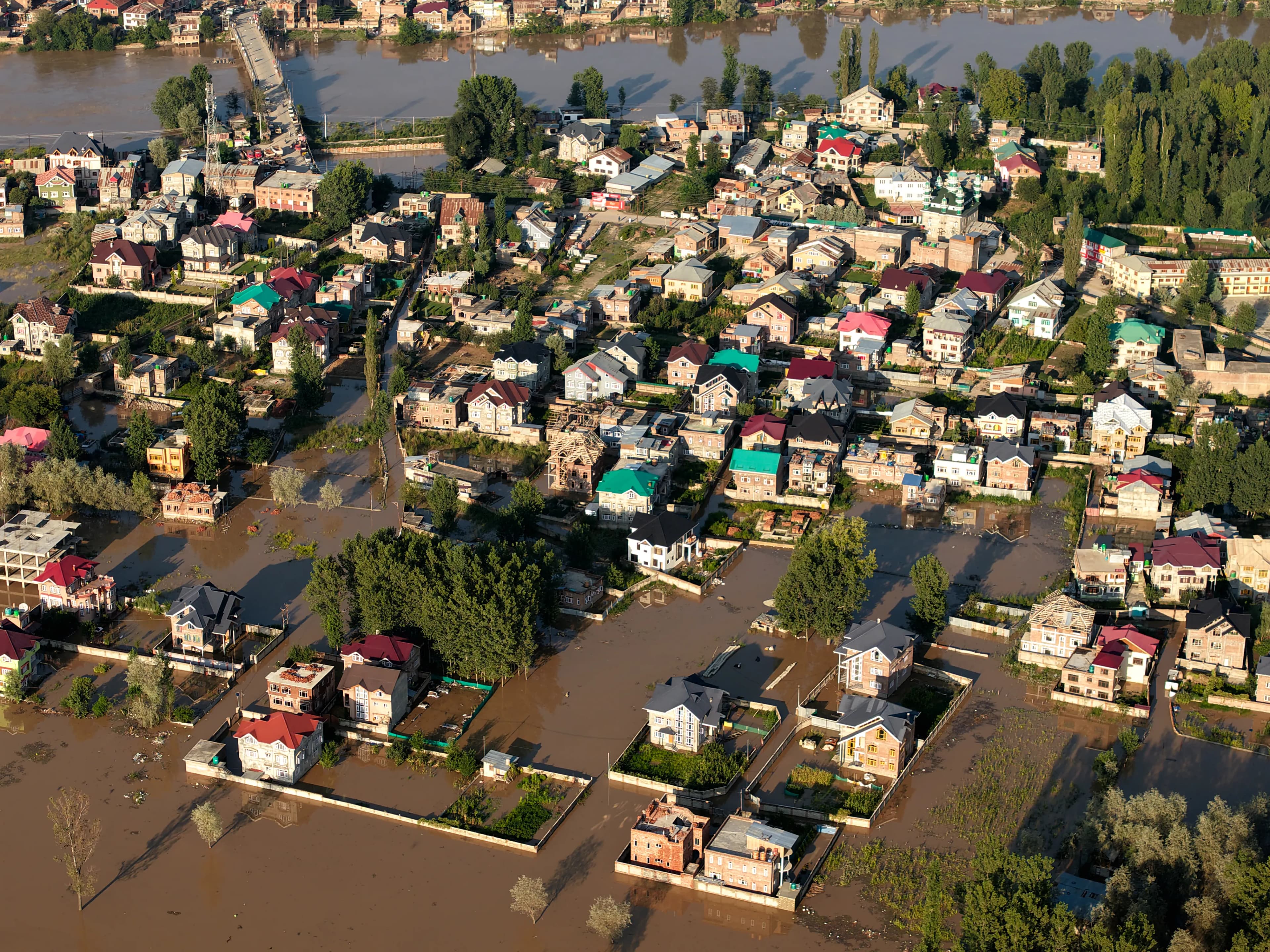
One of the most immediate and terrifying threats is flooding. Projections suggest that millions of UK homes could become effectively uninsurable by 2050 due to an unacceptable level of flood risk. This isn't just about a higher insurance bill; it has profound implications for property values. Homes in high-risk areas could see their market worth decline significantly, becoming 'stranded assets' that are difficult to sell. Furthermore, securing a mortgage for a property deemed uninsurable will become an increasingly insurmountable hurdle, locking homeowners into properties they cannot easily divest or finance.
Coastal Erosion: A Hidden Catastrophe
Beyond river and surface water flooding, coastal erosion poses a significant and growing threat to thousands of homes, particularly along the eastern and southern coasts of England. While less publicised than inland flooding, the relentless assault of rising sea levels and more powerful storm surges is causing cliffs and shorelines to recede at an accelerated pace. Unfortunately, standard home insurance policies typically do not cover damage caused by coastal erosion. Even the government-backed Flood Re scheme, designed to make flood insurance affordable, does not extend its coverage to properties at risk of erosion. This leaves affected homeowners in a uniquely vulnerable position, often with little recourse as their properties literally crumble into the sea.
The Ground Beneath Our Feet: Subsidence Woes
It's not just water that's causing problems. Hotter, drier summers, now a common occurrence in 2026, are exacerbating the risk and cost of subsidence. This is particularly prevalent in areas with shrinkable clay soils, common across large parts of the South East of England. As these soils dry out, they contract, causing foundations to shift and leading to cracks in walls, structural damage, and significant repair costs. Conversely, sudden heavy rainfall after prolonged dry spells can lead to soil expansion, known as heave, which also causes similar damage. The increasing volatility of our weather patterns means homeowners are caught between two extremes, both of which can compromise structural integrity.
Navigating the Insurance Landscape
Understanding the tools and policies available, as well as their limitations, is crucial for homeowners facing these challenges.
Flood Re: A Temporary Lifeline
The government-backed Flood Re scheme was introduced to ensure that flood insurance remains affordable and available for homes at high flood risk. It works by absorbing the flood risk element of insurance policies, allowing insurers to offer more reasonable premiums. While Flood Re has been a vital safety net for many, it is explicitly a temporary measure. It is currently set to end in 2039, with the expectation that by then, sufficient resilience measures will have been implemented across the country to reduce risk to manageable levels. The looming end date puts immense pressure on government and homeowners alike to act decisively.
Government Action (or Lack Thereof)
Despite the clear and present danger, progress on government flood defence programmes has fallen behind schedule. Crucial infrastructure projects, designed to protect communities, are facing delays, raising serious concerns about the UK's future flood resilience. While significant investment has been made, the pace of climate change often outstrips the pace of protective measures, leaving many areas exposed. This highlights a critical gap between policy ambition and practical implementation, a situation that also impacts other sectors, as explored in the context of small business underinsurance.
Empowering Homeowners: Proactive Steps You Can Take
The good news is that homeowners are not entirely powerless. There are numerous proactive steps you can take to adapt your property, reduce your risk profile, and potentially mitigate the impact of rising insurance costs.
Building Flood Resilience
For homes in flood-prone areas, implementing flood resistance and resilience measures is paramount. Resistance measures aim to keep water out of your home, such as installing flood barriers for doors and windows, automatic air brick covers, and non-return valves on drains. Resilience measures focus on reducing the damage if water does get in, including raising electrical sockets and fuse boxes, fitting water-resistant plaster and insulation, and using ceramic tiles instead of carpets on ground floors. Even small changes can make a significant difference in recovery time and cost.
Beating the Heat: Overheating Risks
While floods dominate headlines, another subtle threat is emerging: overheating. Hotter summers mean homes, particularly older properties or those with poor ventilation, are at risk of becoming dangerously warm. Implementing passive cooling measures is essential. This includes improving insulation to keep heat out as well as in, adding external shading like awnings or shutters, enhancing natural ventilation through strategically placed vents, and even considering green roofs or walls that offer insulation and cooling benefits.
Garden Smart: Managing Water Flow
Your garden plays a crucial role in managing surface water runoff. Replacing impermeable surfaces like concrete driveways with permeable alternatives such as gravel, permeable paving, or even simple lawns can significantly reduce the amount of water flowing directly into drains during heavy rainfall. This 'Sponge City' approach helps the ground absorb more water naturally, lessening the burden on drainage systems and reducing your property's flood risk.
Ground Stability: Tackling Subsidence
To mitigate subsidence risk, proper tree management is vital. Large trees with extensive root systems, particularly those known to be 'thirsty', should be planted at a safe distance from foundations, or pruned appropriately. For new builds or extensions, ensuring robust foundation design that accounts for local soil conditions and predicted climate impacts is critical. If you suspect subsidence, seeking expert advice from a structural engineer is the first step.
Financial Support for Adaptation
Homeowners are not entirely alone in funding these adaptations. Government and local authority grants are available. The Property Flood Resilience (PFR) scheme, for instance, can help fund measures to protect properties at risk of flooding. Additionally, the 'Build Back Better' funding, available through Flood Re, offers eligible homeowners up to an additional £10,000 on top of their insurance claim to install flood resilience measures when repairing their homes after a flood. These schemes provide crucial financial assistance to make homes safer and more resilient.
Beyond Your Doorstep: Systemic Risks and the Future
The crisis of uninsurable homes extends far beyond individual property owners. It poses systemic financial risks to the entire UK economy. When large numbers of properties become uninsurable, they risk becoming 'stranded assets' – properties that lose value due to climate risks, impacting homeowners, mortgage lenders, and the broader financial system. Banks could face significant losses on loans secured against devalued properties, potentially triggering a wider economic instability. This necessitates a national, cohesive strategy involving government, insurers, property developers, and homeowners to build a truly resilient Britain.
Conclusion
Uninsurable Britain is not a distant future, but a pressing challenge of 2026. The increasing frequency and severity of climate-driven weather events are fundamentally altering the landscape of homeownership and insurance. While the scale of the problem is immense, homeowners are empowered to take proactive steps. By understanding the risks, investing in property resilience, and advocating for more robust national strategies, we can collectively work towards a future where our homes remain safe, insurable, and valuable assets, rather than becoming casualties of a changing climate. The time for action is now.