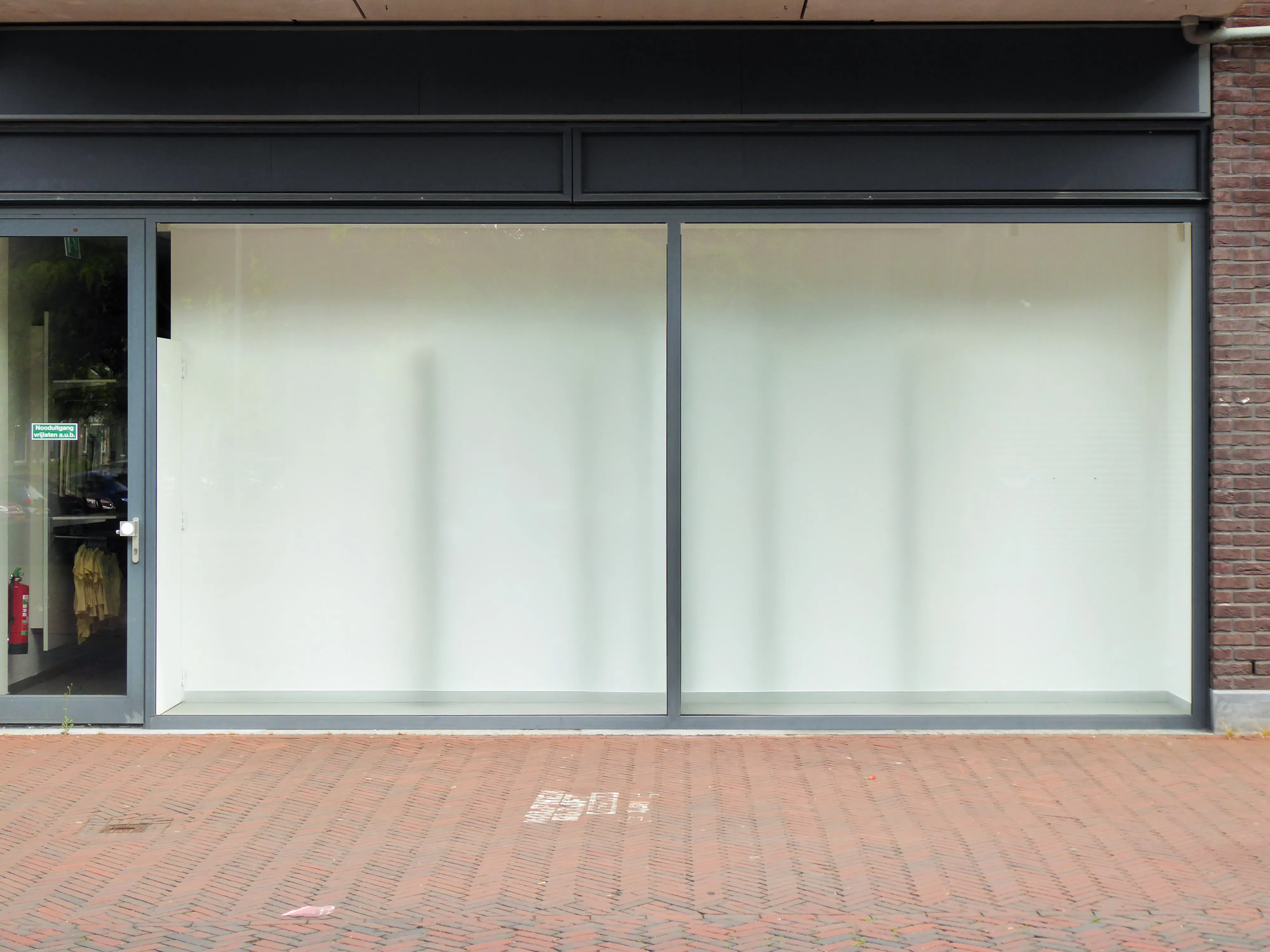
Imagine your bustling local high street, a vibrant tapestry of unique shops and independent businesses. Now, picture it slowly fading, storefronts boarded up, once-familiar names replaced by 'To Let' signs. This isn't a dystopian future; it's a stark reality unfolding across the nation in 2026, driven by an insidious, often overlooked threat: soaring insurance costs. This escalating financial burden isn't just a line item; it's actively dismantling the very fabric of our local economies and community life.
The Unseen Burden: How Insurance Premiums Are Eating Away at Profits
For many local business owners, the annual insurance renewal has become a source of profound anxiety. What was once a predictable expense has mutated into an escalating financial albatross. Businesses, from the corner bakery to the independent bookshop, are grappling with dramatically increased operating costs. Premiums for public liability, property, and cyber insurance are climbing at unprecedented rates, often outstripping revenue growth and general inflation.
This surge in insurance expenditure directly translates to reduced profitability and tighter margins. Small businesses operate on razor-thin margins, where every penny counts. A sudden, significant jump in insurance costs can wipe out an entire quarter's profit, forcing owners to make impossible choices. They might delay essential investments, forgo staff training, or postpone much-needed repairs. The dream of reinvesting, expanding services, or building a healthy contingency fund becomes increasingly elusive under this relentless pressure, pushing many towards the brink of financial viability.
A Chain Reaction: From Closure to Community Decline
The Silent Exit: Forced Closure of Independent Businesses
The most heartbreaking consequence of unsustainable insurance costs is the forced closure of long-standing independent businesses. These aren't just shops; they are institutions, often run by generations of the same family, deeply woven into the community's identity. When a beloved local hardware store or family-run restaurant can no longer absorb the escalating cost of protection, they have little choice but to close their doors. The loss extends beyond economic activity; it's a loss of history, shared memories, and the unique character defining a neighbourhood. Each closure leaves a tangible void, contributing to a sense of decay on the high street.
Stifling Innovation: Discouraging New High Street Ventures
Soaring insurance costs also act as a significant deterrent for new business startups. Aspiring entrepreneurs face an immediate and substantial barrier to entry. The initial capital required to launch a new venture is already considerable, encompassing rent, inventory, and staffing. Adding exorbitantly high, non-negotiable insurance premiums to this equation often makes the prospect simply unfeasible. Why take on such immense financial risk when a significant portion of potential profits is pre-allocated to insurance, especially when the business model is yet to be proven? This stifles the very innovation high streets need.
The Online Migration: Shifting Retail Landscapes
The economic pressure from high insurance premiums is accelerating a broader shift from physical retail to online-only models. For businesses that can operate purely virtually, overheads associated with a physical storefront – including rent, utilities, and crucially, property and public liability insurance – are significantly reduced or eliminated. While e-commerce offers convenience, a wholesale migration away from brick-and-mortar stores fundamentally alters the role of the high street, transforming it from a bustling hub into a series of logistics points or, worse, empty spaces.
The Ripple Effect: What It Means for Your Community
Empty Spaces and Lost Vibrancy
The cumulative effect of closures and a lack of new ventures is a visible decline in high street vibrancy. Empty storefronts become an all-too-common sight, creating a desolate atmosphere that deters shoppers. This creates a vicious cycle: fewer vibrant shops mean fewer people visiting the high street, which makes it even harder for the remaining businesses to survive. The once-bustling heart of the community slowly loses its pulse, replaced by quiet emptiness.
Diminished Choice and Higher Prices
For local consumers, the consequences are tangible. The decline in independent businesses leads to reduced variety and choice. Where once there was a diverse range of unique products, now there might only be a handful of larger chain stores offering standardized goods. This lack of competition can also lead to higher prices. Businesses struggling with elevated insurance costs may be forced to pass some of these expenses onto their customers, meaning local residents pay more for their daily essentials.
Employment Under Threat
The economic impact reverberates directly into local employment opportunities. Each business closure means job losses, from shop assistants to managers. When new businesses are discouraged, potential job creation is stifled. This not only increases local unemployment but also removes avenues for career growth within the community. The high street, traditionally a significant employer, finds its capacity to provide livelihoods severely diminished.
The High-Risk Dilemma: Unequal Burden and Market Consolidation
The problem of escalating insurance costs is not uniformly distributed. Businesses in areas perceived as 'high-risk' – perhaps due to higher crime rates or susceptibility to natural disasters – face an even more arduous challenge. For these businesses, obtaining affordable coverage can become an insurmountable hurdle. Insurers, driven by actuarial data, impose significantly higher premiums or, in some cases, refuse to offer coverage altogether. This creates a deeply unfair scenario where areas most in need of economic regeneration struggle most to get basic protection.
This unequal burden often contributes to the consolidation of businesses into larger chains that possess the economies of scale and financial resilience to absorb these escalating costs. A national retailer can negotiate better bulk insurance deals or self-insure, options unavailable to an independent sole trader. While larger chains can fill some empty units, they often bring less character, less local employment, and less bespoke service, eroding the unique identity of the high street. The decline in community spaces and social hubs that independent businesses represent is a profound loss.
The Peril of Underinsurance: A Dangerous Gamble
Faced with relentless pressure, some businesses are unfortunately driven to make a dangerous compromise: underinsurance. This involves deliberately reducing coverage, increasing deductibles, or omitting certain types of insurance, simply to make premiums affordable. While providing short-term financial relief, it creates significant long-term vulnerabilities.
Should an unforeseen event occur – a fire, theft, or major liability claim – an underinsured business could face catastrophic financial losses far outweighing premium savings. The payout from an insurer might be insufficient to cover actual damages or legal costs, forcing insolvency. This gamble, born out of desperation, can ultimately lead to a more severe and irreversible outcome, highlighting the Catch-22 situation many shops face. It's a stark reminder that while cutting costs can seem imperative, neglecting adequate protection is a perilous path. For insights into ensuring appropriate coverage, especially for independent ventures, you might find valuable information in a discussion on Sole Trader Insurance: Beyond Public Liability Essentials.
Navigating the Storm: Strategies for Survival and Resilience
While the outlook may seem bleak, proactive measures can help businesses and communities navigate this challenging landscape.
- Proactive Risk Management: Implementing robust risk management strategies can demonstrate to insurers active mitigation of potential claims. This includes investing in enhanced security, fire prevention, data backup, and comprehensive staff training. A strong track record and demonstrable efforts can sometimes lead to more favourable premium negotiations.
- Shop Around Aggressively: It's crucial for businesses to not simply accept their renewal quote. Engaging with multiple brokers and insurers to compare policies and prices can uncover more competitive options. Specialist brokers who understand niche risks might find better deals.
- Understand Your Policy: Business owners should meticulously review policies to understand coverage and exclusions. Adjusting levels to truly reflect current risks, without underinsuring, is essential.
- Collective Action and Advocacy: Local business associations can play a vital role. By pooling resources, they can lobby local and national governments, and insurance industry bodies, to address systemic issues. This might involve advocating for targeted support schemes or exploring alternative insurance models.
- Community Support: Consumers also have a role. Actively choosing to shop local and support independent businesses helps ensure their continued viability, providing them with the revenue needed to absorb rising operational costs.
Conclusion
The escalating cost of insurance is no longer a peripheral concern; it is a central, systemic threat fundamentally reshaping the landscape of local commerce in 2026. From forced closures to discouraging new ventures, and the pervasive shift towards online models, the repercussions are profound. Empty storefronts, diminished choice, fewer local jobs, and a loss of community spirit are all direct consequences. While the challenge is immense, understanding its multifaceted nature is the first step towards finding solutions. Through proactive risk management, astute policy navigation, collective advocacy, and renewed community support, there is a path towards greater resilience. The fight for the soul of our high streets is ongoing, and securing fair, sustainable insurance for local businesses is an indispensable battle in that broader war. The vibrancy of our communities depends on it.