Imagine your UK property, a cherished asset, silently bleeding money. Not from leaky taps or draughty windows, but from the very systems designed to keep it operational and safe. Many property owners, landlords, and real estate investors in the UK are unknowingly caught in a costly trap: their property insurance, ostensibly offering protection, is instead penalising them for clinging to outdated technology. In an era where smart homes and energy efficiency are the buzzwords, the hidden costs of antiquated systems are not just an inconvenience; they're a significant financial drain, escalating premiums, complicating claims, and ultimately diminishing your property's value.
The Silent Saboteurs: How Old Tech Elevates Your Risk Profile
Your property's age isn't just a number; it's a narrative for insurers, often speaking of inherent risks that drive up costs. The older the property's core infrastructure, the higher the perceived likelihood of an incident, and the more expensive your protection becomes.
Outdated Electrical Systems: A Spark for Concern
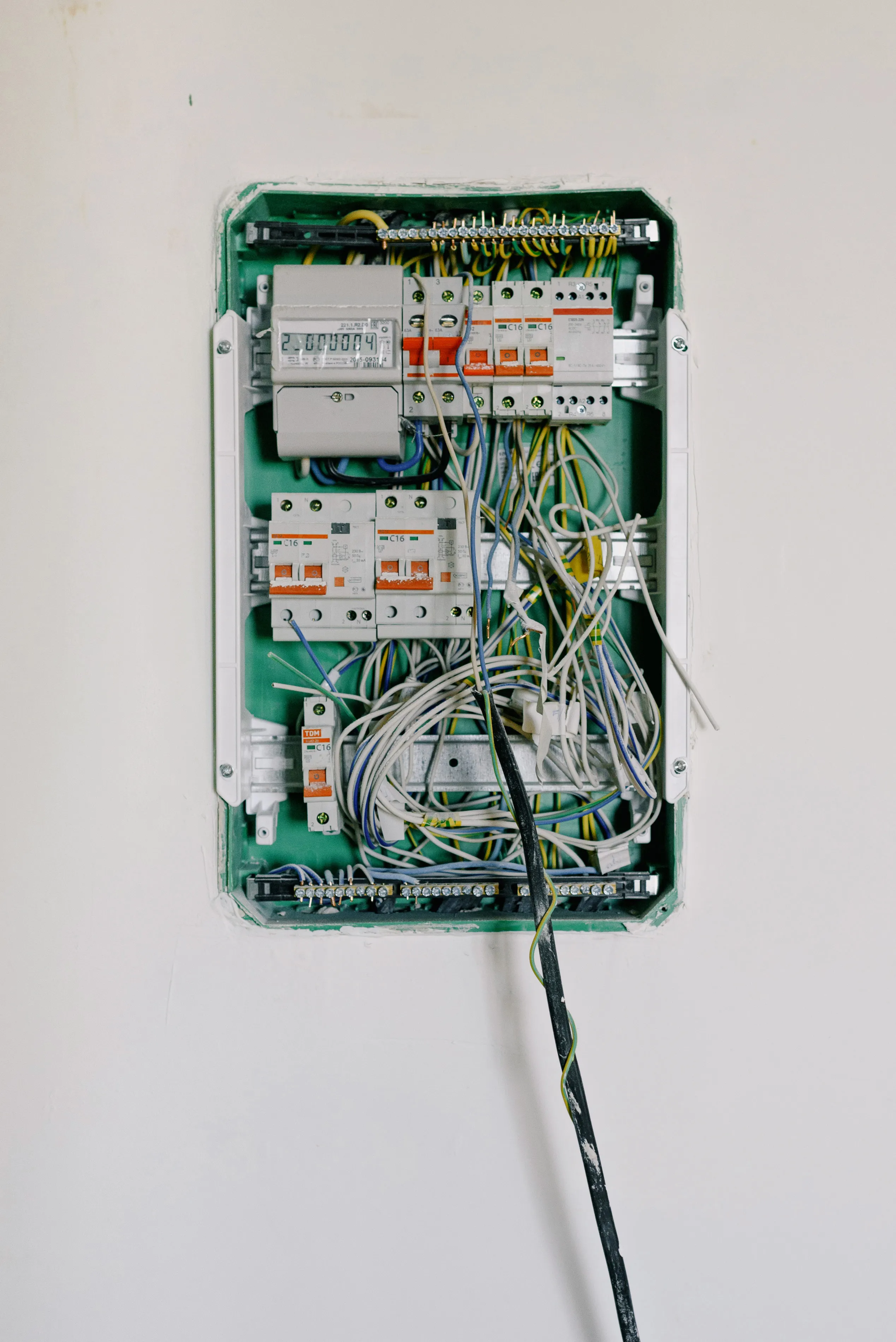
One of the most immediate red flags for insurers in older UK properties is the presence of outdated electrical systems. We're talking about those charming, but potentially dangerous, fuse boxes that predate modern circuit breakers, or wiring installed decades ago that doesn't meet current safety standards. These systems are inherently less safe, significantly increasing the fire risk within a property. For insurers, this translates directly into higher premiums. In extreme cases, they might even introduce specific policy exclusions for damage arising from these old systems, or refuse comprehensive cover altogether, leaving property owners dangerously exposed. The cost of upgrading often seems daunting, but consider it an investment not just in safety, but in reducing your long-term insurance burden and enhancing your property's market appeal.
Plumbing Predicaments: Leaks, Bursts, and Burdens
Beyond electrical hazards, ageing plumbing and heating systems represent another substantial hidden cost. Old boilers, often past their prime, are prone to breakdowns. Lead pipes, while a health concern, also pose a significant structural risk, being more susceptible to corrosion and bursting than modern alternatives. Even copper pipes, if decades old, can suffer from fatigue and wear. The likelihood of leaks, bursts, and subsequent water damage claims skyrockets with such infrastructure. Water damage is among the most frequent and costly claims for property insurers, directly translating to increased premiums for properties with these vulnerabilities. A single major leak can cause structural damage, ruin interiors, and lead to extensive, expensive repairs, making the upfront cost of modernising seem trivial in comparison.
Security Gaps: Inviting Trouble, Inflating Premiums
In a world where security technology constantly evolves, properties lacking modern security features are often viewed as soft targets. Traditional deadbolts might deter amateur thieves, but they offer little resistance to determined intruders compared to robust multi-point locking systems or smart alarms integrated with CCTV. Insurers assess the risk of theft and vandalism when calculating premiums. Properties without adequate, up-to-date security measures will inevitably face higher insurance costs. Smart home security systems, for instance, not only provide superior protection but can also lead to discounts, actively rewarding property owners for mitigating risk.
The Insurance Paradox: Valuing the Old, Costing the New
Here lies the crux of the hidden cost: the very nature of insurance policies often struggles to reconcile the past with the present, penalising property owners who need to bridge that gap.
Replacement Realities: Beyond Like-for-Like
One of the most insidious hidden costs arises when an insurance policy fails to account for the true expense of replacing antiquated components with modern, compliant alternatives. If your 1950s wiring causes a fire, your insurer might only cover the 'like-for-like' replacement cost of similar outdated wiring – which is rarely permissible under current building regulations. You're then left with a substantial gap to fund the upgrade to modern standards yourself. This extends to plumbing, heating systems, and even structural elements. The actual cost of repair and reinstatement is often far higher than the payout if it involves bringing an old system up to modern code, which is almost always a legal requirement for significant work. This discrepancy can turn a seemingly minor claim into a financial nightmare, especially for landlords needing to ensure their properties meet rental safety standards.
Non-Standard Construction: A Policy Minefield
UK properties are renowned for their diverse and often historic construction methods. However, these unique characteristics can become a significant hurdle for property owners. Properties with non-standard construction materials (e.g., timber frames, concrete panels, thatched roofs) or historic building techniques often face severe difficulty in obtaining comprehensive cover, or are met with significantly higher excesses and restrictive clauses. Insurers perceive these properties as having higher risks due to unfamiliarity, specialized repair requirements, and the scarcity of suitable replacement materials. This niche market often leads to fewer competitive quotes, forcing owners to accept less favourable terms and higher costs simply due to their property's unique heritage.
The Underinsurance Trap: Modern Upgrades, Ancient Sums
Perhaps the greatest unseen danger is the risk of underinsurance. Many property owners calculate their sum insured based on the market value or an outdated assessment of construction costs. However, if your property suffers significant damage, the cost of rebuilding or substantially repairing it, especially if it involves upgrading old systems to current building regulations and safety standards, can far exceed your insured sum. Imagine rebuilding a Victorian terrace with modern electrical, plumbing, and insulation standards after a major fire. The expense is dramatically higher than simply 'replacing like-for-like'. If underinsured, you'll only receive a proportional payout, leaving you to shoulder a significant financial burden to make your property habitable and compliant again. This is a critical point for real estate investors: understanding true rebuild costs, including necessary modernisations, is paramount for protecting your asset.
Unlocking Savings: The Power of Modernisation
While the costs of old tech are clear, the benefits of modernisation are equally compelling, offering significant long-term savings and enhanced protection.
Smart Home Technology: Your Ally in Risk Mitigation
The absence of smart home technology isn't just a missed opportunity for convenience; it's a barrier to potential insurance discounts and proactive risk mitigation. Smart leak detectors can alert you to a burst pipe before it causes catastrophic damage, smart smoke and CO2 alarms provide earlier warnings and even contact emergency services, and smart security systems deter intruders. Insurers are increasingly recognising the value of these proactive measures, offering reduced premiums to properties equipped with such devices. This isn't just about avoiding claims; it's about preventing incidents in the first place, saving you time, stress, and money. Leveraging data can even lead to better-tailored rates, as discussed in detail in our article on Open Insurance: Your Home, Your Data, Better Rates.
Proactive Maintenance: Your Policy's Best Friend
Increased maintenance costs for old technology, if neglected, can invalidate parts of an insurance policy. A leaky roof that goes unrepaired for months, an unserviced boiler that explodes, or an old electrical system that hasn't been inspected in years could all be cited by an insurer as grounds to reduce or deny a claim. Proactive, regular maintenance – whether it's servicing the boiler, inspecting the roof, or having an electrician check the wiring – demonstrates due diligence. While it comes with its own costs, it's a vital investment that not only prevents larger, more expensive problems down the line but also protects the validity of your insurance coverage. For landlords, this is not just good practice but often a legal requirement.
Energy Efficiency: A Hidden Insurance Advantage
While not always directly linked to insurance premiums, higher energy efficiency ratings for modern tech versus older systems can indirectly influence property value and perceived risk by insurers. A well-insulated home with modern, efficient heating and electrical systems is less susceptible to issues like burst pipes in winter (due to better heating distribution) and electrical faults (due to modern wiring). While insurers don't typically offer explicit discounts for an EPC rating, a more energy-efficient home is generally a healthier, more robust property, suggesting a lower overall risk profile. This contributes to long-term asset value and attractiveness to both tenants and buyers.
Navigating Claims: When Old Tech Fails
When the inevitable happens and old tech fails, the claims process can reveal further hidden financial and emotional costs.
Devalued Claims and Obsolete Parts
One of the most frustrating aspects of claiming for damage caused by antiquated systems is that insurers may potentially devalue claims if damage is attributed to the failure of poorly maintained or extremely old systems. They might argue that the system had reached the end of its life, or that neglect contributed to the failure. Furthermore, challenges in finding replacement parts for obsolete technology can lead to more expensive and time-consuming repairs after a claim. Specialists might need to be called in, parts custom-made, or entire systems replaced rather than repaired, escalating costs far beyond what was anticipated, and potentially beyond what your policy covers.
Latent Defects and Comprehensive Coverage
Insurers are often less willing to offer comprehensive coverage for properties with known latent defects related to age-old construction or installations. A latent defect is a fault in the property that is not immediately apparent but existed at the time of construction or purchase. For instance, faulty original wiring buried within walls that only manifests as a problem decades later. If such a defect, linked to the property's age and original construction, causes damage, insurers may dispute coverage, arguing it was an inherent fault rather than an insurable event. This creates a challenging situation for owners of older properties, who may find themselves battling with their insurer over the scope of their protection.
Administrative Hurdles: The Slow Road to Resolution
The administrative burden and slower processing of claims when assessors struggle to evaluate damage to antiquated, non-standard systems is another hidden cost. When an assessor encounters an electrical system from the 1930s or plumbing from the 19th century, their standard evaluation models may not apply. This can lead to delays as specialists are brought in, investigations are prolonged, and the unique challenges of repairing or replacing obsolete technology are painstakingly assessed. For property owners, particularly those reliant on rental income, these delays can result in significant financial losses, extended periods of uninhabitable property, and considerable stress.
Making the Shift: A Future-Proof Property Strategy
For UK property owners, landlords, and real estate professionals, understanding these hidden costs is the first step towards a future-proof strategy. Modernising key systems is not merely an expense; it's a strategic investment that pays dividends in reduced insurance premiums, enhanced safety, improved property value, and peace of mind. Regular professional assessments of your property's core infrastructure – electrical, plumbing, heating, and security – are crucial. Prioritise upgrades that directly impact insurer risk assessments, such as bringing electrical systems up to current standards, replacing lead pipes, or installing modern security.
Consider the long-term return on investment: lower insurance costs, fewer costly claims, potentially higher rental yields, and a more attractive, valuable asset in the competitive UK real estate market. Don't let your property insurance trap you in the past; empower yourself to embrace the future of property ownership, where smart decisions lead to significant savings and robust protection.