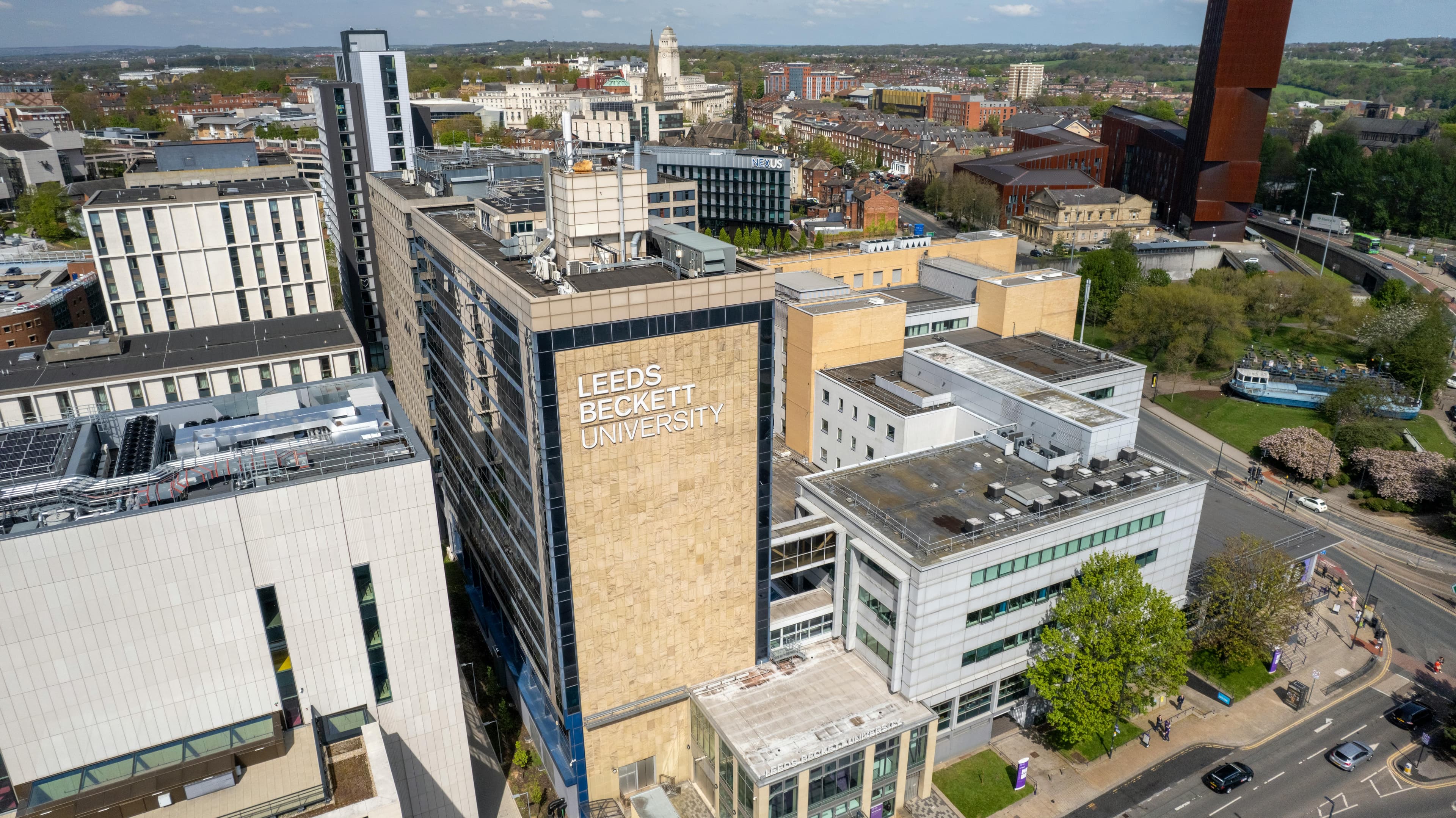
In a dynamic economic landscape, where do savvy investors and discerning tenants find their next golden opportunity? The answer, increasingly, points north. Forget the perennial allure of London; the true pulse of the UK's rental market now beats strongest in Manchester and Leeds. These vibrant Northern cities aren't just attracting attention; they're redefining what it means to be a lucrative property hotspot, offering robust returns and unparalleled lifestyle benefits. For landlords, the promise of consistent income and capital appreciation is compelling, while for tenants, these cities represent a fantastic blend of affordability, opportunity, and quality of life. Understanding the underlying drivers of this growth is crucial for anyone looking to navigate the property market successfully in 2026, especially when considering the critical role insurance plays in protecting these valuable assets.
The Northern Powerhouse Resurgence: A Rental Revolution
The narrative of the 'Northern Powerhouse' has moved beyond rhetoric, materializing into tangible economic growth and, crucially, a flourishing rental market. The appeal of Manchester and Leeds stems from a confluence of factors that create a near-perfect storm for property investment and tenancy.
Unpacking Rental Yields: More Than Just Numbers
For investors, rental yield is often the first metric scrutinized, and here, Manchester and Leeds truly shine. Manchester, in particular, has demonstrated exceptional performance, averaging a remarkable 5.8% across 32 postcode districts as of October 2025. This average is significantly higher than the UK's typical 4-5% range, with some prime areas pushing yields as high as 7.2%. Leeds mirrors this strength, with specific districts like LS6 boasting 7.0% and LS1 achieving 6.9%. These figures are not merely impressive on paper; they translate into substantial, consistent income streams for landlords. From an insurance perspective, higher yields mean a greater return on investment, making comprehensive landlord insurance an even more critical component of your financial strategy. Protecting these significant revenue streams against unforeseen events like property damage, tenant defaults, or legal liabilities ensures that the high yields aren't eroded by unexpected costs.
Unprecedented Growth in Rental Prices and Demand
The story doesn't end with high yields; both cities are also experiencing vigorous rental growth and insatiable demand. Manchester saw an annual percentage change in average rents around 10% from January to May 2024, with a staggering 18.7% rise in average rent in Q3 2025 compared to Q2 2025. Leeds has also enjoyed robust growth, with an average rental increase of 5–7% over the past year, and an 8% rise in rental prices over the past year. This sustained upward trend underscores the market's strength. Furthermore, properties in Manchester are snapped up quickly, with an average time on the market of just 22 days in Q3 2025, indicating swift occupancy for landlords. This rapid turnover is excellent for minimizing vacancy periods, but it also highlights the need for efficient property management and reliable landlord insurance to cover potential gaps between tenancies or damages during handover. Swift re-letting can mitigate loss of rent, but having an insurance policy that covers rent protection offers an additional layer of security.
Why the North Outshines the Capital
While London has historically dominated the property conversation, a significant shift is underway, driven primarily by affordability and a burgeoning quality of life outside the M25.
Affordability: The London Divide
Perhaps the most compelling argument for Manchester and Leeds is their superior affordability compared to London. Property prices, both for purchase and rent, are significantly lower, offering a more attractive entry point for investors and better value for tenants. This affordability allows investors to acquire more assets or higher-quality properties for the same capital outlay, maximizing their potential returns. For tenants, it means a higher standard of living and more disposable income. From an insurance standpoint, while the initial property value might be lower than a comparable London asset, the financial exposure to potential losses from fire, flood, or structural damage remains substantial. Therefore, comprehensive building insurance is paramount, ensuring that these valuable, albeit more affordable, assets are fully protected against catastrophic events.
Fueling the Demand: Who's Renting?
The sustained demand in Manchester and Leeds is not accidental; it's a direct result of a diverse and rapidly expanding tenant base, drawn to the cities' numerous opportunities.
A Magnet for Students
Both cities are academic powerhouses, hosting colossal student populations. Manchester is home to over 80,000 students, while Leeds boasts more than 75,000. This creates an unwavering, seasonal demand for rental properties, particularly Houses in Multiple Occupation (HMOs) and purpose-built student accommodation. For landlords, catering to this market can be highly lucrative, but it also comes with specific considerations. Landlord insurance policies designed for student lets often include provisions for higher wear and tear or accidental damage, and tenants themselves should always be advised to secure robust contents insurance to protect their belongings from theft or damage.
Growing Professional Powerhouses
Beyond students, Manchester and Leeds have become beacons for young professionals. Their thriving economies and rapidly expanding job markets, particularly in high-growth sectors like tech, media, finance, and professional services, attract a continuous influx of skilled workers. These professionals often seek high-quality, well-located rental properties, fueling demand for modern apartments and family homes. This demographic typically represents a more stable and reliable tenant base, but the value of their rented properties means landlords need robust building and liability insurance. Furthermore, understanding your income protection options, such as those discussed at Income Protection: Secure Your Home & Real Estate Future, becomes crucial for landlords reliant on rental income, ensuring financial stability even if unforeseen circumstances impact their ability to manage properties or if a tenant experiences long-term issues.
Diverse Tenant Base and High Satisfaction
The rental markets in Manchester and Leeds cater to a broad spectrum of tenants, including students, young professionals, and families, ensuring consistent demand across various property types. Manchester, in particular, stands out with a high tenant satisfaction rate, reporting that 73% of tenants are happy with their accommodation. This high satisfaction level often correlates with more responsible tenancy and lower property turnover, beneficial for landlords. While a happy tenant is a great asset, accidental damage or unforeseen incidents can still occur. Landlord insurance provides peace of mind, covering the costs of repairs or replacements, while encouraging tenants to acquire their own contents insurance helps them protect their personal belongings and fosters a shared responsibility for the property.
Building for Tomorrow: Infrastructure and Population Growth
The ongoing investment in infrastructure and the sustained population growth are not just current benefits but strong indicators of future prosperity and continued rental market strength.
Transformative Regeneration Projects
Both cities are undergoing massive regeneration, significantly enhancing their appeal and driving property value growth. Manchester's Piccadilly Mayfield project and the ongoing expansion of MediaCityUK are transforming vast swathes of the city into modern, vibrant hubs. Similarly, Leeds' ambitious £500 million South Bank project is creating a new quarter with residential, commercial, and leisure spaces. These developments not only attract new residents and businesses but also drive up property values in surrounding areas. Investors need to ensure their property insurance valuations are regularly updated to reflect these increases, guaranteeing adequate coverage in case of a total loss. Construction projects nearby can also introduce new risks, making robust public liability insurance crucial for landlords.
Sustained Population Expansion
The demographic shifts underscore the long-term viability of these markets. Manchester's population grew by 9.7% between 2011 and 2021 and is forecast to rise to over 635,000 by 2030. Leeds also demonstrates strong population growth projections. This sustained influx of people directly fuels housing demand, ensuring a continuous need for rental properties. For the insurance industry, this means a growing market for property-related policies, as more people and properties necessitate protection against various risks. It also highlights the importance of adapting insurance products to cater to a denser, more urbanized environment.
Exceptional Connectivity
Excellent transport links are a cornerstone of modern urban living, and both Manchester and Leeds excel in this regard. Manchester's extensive Metrolink tram network, coupled with excellent rail and road connections, makes commuting and accessing amenities incredibly easy. Leeds also boasts comprehensive transport networks. This connectivity is a major draw for renters, increasing the desirability of properties within easy reach of transport hubs. For landlords, properties with good transport links often command higher rents and experience lower vacancy rates, making them more attractive investments. Insuring such properties against potential risks like public liability (especially if a property is near a busy thoroughfare) or environmental factors (like increased traffic-related damage) becomes an important consideration.
Protecting Your Investment: An Insurance Perspective
Investing in the rental markets of Manchester and Leeds in 2026 presents an exceptional opportunity, but like all investments, it comes with inherent risks. This is where a strategic approach to insurance becomes not just an option, but a necessity for both landlords and tenants.
For landlords, a comprehensive landlord insurance policy is the bedrock of a secure investment. This typically includes building insurance to protect the physical structure from perils like fire, flood, and subsidence, as well as property owner's liability insurance to cover claims from injuries sustained on your property. Loss of rent insurance is also crucial, safeguarding your income during periods when the property is uninhabitable due to an insured event. Given the high demand and rapid turnover, ensuring you have adequate protection against tenant-related issues, such as malicious damage or rent arrears, further fortifies your financial position. Regular reviews of your policy are essential to ensure that your coverage accurately reflects the rising property values and rental incomes in these booming markets.
Tenants, too, should prioritize their financial protection. While landlords' insurance covers the building, it does not typically cover a tenant's personal belongings. Contents insurance offers vital protection against theft, fire, and accidental damage to your possessions, providing peace of mind in your rented home. In a bustling city environment, where communal living or shared properties are common, this becomes even more important. Understanding these insurance nuances is paramount to maximizing the benefits and mitigating the risks associated with these vibrant rental markets.
Conclusion
Manchester and Leeds are undeniably the UK's hottest rental markets in 2026, driven by a powerful combination of high rental yields, robust demand, significant student and professional populations, ongoing regeneration, and sustained population growth. Their affordability relative to London, coupled with excellent transport links and high tenant satisfaction, creates an ecosystem ripe for both investment and quality tenancy. For investors, these cities offer a compelling proposition for strong returns and capital appreciation, provided that due diligence, including a comprehensive insurance strategy, is in place. For tenants, they represent vibrant, opportunity-rich places to live and thrive without the prohibitive costs of the capital. As the Northern Powerhouse continues its ascent, Manchester and Leeds stand out as the shining examples of a dynamic and rewarding UK property landscape.