Imagine waking up to a burst pipe, a fallen tree, or a theft. The immediate aftermath is stressful enough without the added confusion of understanding what your insurance policy actually covers. For many, the world of home insurance can seem like a labyrinth of jargon, especially when it comes to distinguishing between "Buildings" and "Contents" coverage. Yet, making sense of these two fundamental pillars is crucial for every homeowner and renter alike. This ultimate guide will demystify home insurance, ensuring you possess the knowledge to protect your most valuable assets – your home and everything inside it.
Understanding the Core Difference: Buildings vs. Contents
At its heart, home insurance is designed to offer financial protection against unforeseen events that can damage or destroy your property and possessions. However, this protection is typically split into two distinct categories: Buildings insurance and Contents insurance. Grasping this distinction is the first step towards securing appropriate and comprehensive coverage.
What is Buildings Insurance?
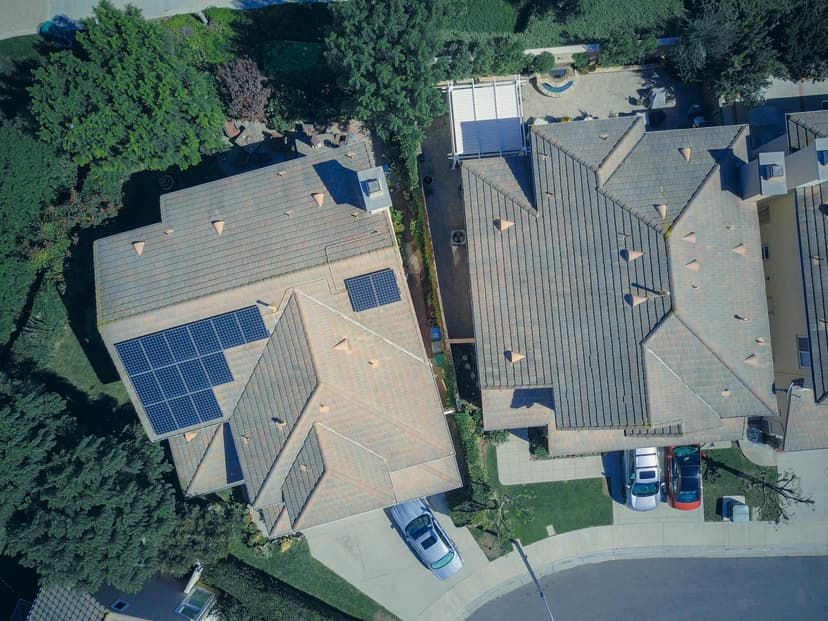
Buildings insurance, sometimes referred to as 'property' or 'structure' insurance, covers the physical structure of your home. This includes the walls, roof, floors, windows, doors, and any permanent fixtures or fittings. Think of anything that would remain if you picked up your house and shook it – that's generally covered by buildings insurance. This extends to garages, sheds, driveways, boundary walls, and even swimming pools on your property.
Key components typically covered by Buildings Insurance include:
- Structural elements: Walls, roof, foundations, ceilings.
- Permanent fixtures: Fitted kitchens (cabinets, worktops), bathrooms (baths, sinks, toilets), central heating systems, electrical wiring, plumbing.
- Outbuildings: Garages, sheds, conservatories.
- Damage from perils: Fire, flood, storm, subsidence, malicious damage, explosion, impact (e.g., by a vehicle).
For homeowners, securing adequate Buildings insurance is not just a recommendation; it's often a mandatory requirement from mortgage lenders. It protects your most significant investment against catastrophic events.
What is Contents Insurance?
In contrast, Contents insurance protects the personal belongings and possessions inside your home. If Buildings insurance covers what makes your house a structure, Contents insurance covers what makes it a home. This includes furniture, electronics, clothing, jewellery, books, appliances that aren't fitted (like a freestanding fridge), and even your curtains and carpets (if not permanently fixed).
Typical items covered by Contents Insurance include:
- Furniture: Sofas, beds, tables, chairs.
- Electronics: TVs, computers, laptops, gaming consoles, sound systems.
- Clothing and valuables: Apparel, jewellery, watches (often with single item limits).
- Appliances: Freestanding washing machines, refrigerators, microwaves.
- Household goods: Crockery, cutlery, decorative items, books.
Contents insurance is vital for both homeowners and renters, as it safeguards the items that would be costly to replace should they be damaged, lost, or stolen.
Homeowners' Needs: A Dual Approach
As a homeowner, your property represents a significant investment, both in its physical structure and the possessions within. Therefore, you typically require both Buildings and Contents insurance. The Buildings policy protects the bricks and mortar, ensuring that if your home suffers structural damage, you have the financial means to rebuild or repair it. The Contents policy, on the other hand, ensures that your cherished belongings are protected from similar perils. Bundling these two types of policies with a single insurer can often lead to discounts and simplifies claims processing.
Renters' Needs: Focus on Your Belongings
If you're a renter, the good news is that you generally only need Contents insurance. Your landlord is responsible for insuring the physical structure of the property you live in, as well as any fixtures they own. Their Buildings insurance will cover the property itself. However, your landlord's policy will not cover your personal possessions. Without Contents insurance, you would bear the entire financial burden of replacing your belongings if they were damaged or stolen. This is why Contents insurance is equally crucial for tenants, offering peace of mind that your personal world is protected.
Assessing Coverage: Valuing Your Assets Accurately
One of the most critical steps in obtaining adequate insurance is accurately valuing what you need to cover. Underinsuring can leave you significantly out of pocket in the event of a claim, while overinsuring means paying unnecessary premiums.
Valuing Your Home's Structure (Buildings Insurance)
For Buildings insurance, you need to estimate the rebuild cost of your home, not its market value. The market value includes the land, which isn't insured. The rebuild cost is what it would take to completely rebuild your home from the ground up if it were destroyed. This figure can be obtained from a surveyor, a building contractor, or by using online calculators provided by insurance industry bodies. Factors like the size, construction materials, and unique architectural features will influence this cost.
Valuing Your Personal Possessions (Contents Insurance)
Estimating the value of your contents requires a detailed inventory. Go room by room and list every item, estimating its replacement cost new. Don't forget items in sheds, garages, and attics. For high-value items like jewellery, art, or expensive electronics, you may need professional valuations and might have to list them separately on your policy to ensure they are fully covered. Keep receipts and photographs as proof of ownership and value – these will be invaluable if you ever need to make a claim.
Factors Affecting Your Premiums
Several variables influence the cost of your home insurance premiums. Understanding these can help you manage your expenses and ensure you get the best value coverage:
- Location: Postcode, crime rates, and proximity to flood zones or areas prone to subsidence can significantly impact premiums.
- Rebuild Cost: A higher rebuild cost for buildings means higher premiums.
- Security Measures: Robust locks, alarm systems, and security cameras can lead to discounts.
- Construction Type: Homes made with non-standard materials might be more expensive to insure.
- Claims History: A history of previous claims can increase your premiums. Conversely, a no-claims history can reduce them. Learn more about how your claims history and other factors can influence your savings in our guide to Maximising UK Insurance Savings: Your NCD Guide.
- Chosen Excess: A higher voluntary excess (the amount you pay towards a claim) can lower your premium, but ensure it's an amount you can comfortably afford.
- Occupancy: Whether the property is your main residence, a holiday home, or let out to tenants.
Policy Exclusions: What's Not Covered?
It's crucial to be aware of what your policy doesn't cover. Common exclusions include:
- General wear and tear: Insurance covers sudden, unforeseen damage, not gradual deterioration.
- Lack of maintenance: Damage resulting from neglect.
- Pest infestation: Unless it causes damage covered by an insured peril (e.g., fire caused by rodent chewing wires).
- Acts of war or terrorism: These are typically excluded.
- Certain natural disasters: Flood or earthquake coverage might be standard in some policies but could be an optional add-on in others, particularly in high-risk areas.
- Unoccupied property: If your home is left empty for an extended period (e.g., 30-60 days), your coverage might be reduced or invalidated unless you notify your insurer.
Always read your policy document thoroughly to understand its specific exclusions and limitations.
Additional Coverage Options to Consider
Standard policies provide essential protection, but you might need additional coverage for specific circumstances:
- Accidental Damage: Covers spills, breakages, or other unintended damage to your property or possessions (e.g., spilling paint on a carpet, drilling through a pipe).
- Personal Possessions Away from Home: Extends contents coverage to items you take outside your property, such as laptops, mobile phones, or jewellery.
- Home Emergency Cover: Provides assistance for urgent issues like boiler breakdowns, plumbing leaks, or electrical failures.
- Legal Expenses Cover: Helps with legal costs if you need to pursue or defend a claim related to your property.
- Tenant's Liability (for renters): Covers accidental damage to your landlord's property or contents for which you are legally responsible.
Making a Claim: What You Need to Do
Should the worst happen, knowing the claims process can alleviate stress:
- Ensure Safety: Prioritize your and your family's safety. Contact emergency services if necessary.
- Report to Police (if applicable): For theft or malicious damage, contact the police immediately and obtain a crime reference number.
- Notify Your Insurer: Contact your insurance provider as soon as possible. Most have 24/7 helplines.
- Document Everything: Take photos or videos of the damage, keep damaged items, and gather any relevant receipts, invoices, or valuations. The more evidence you have, the smoother the process.
- Prevent Further Damage: Take reasonable steps to prevent further damage, but don't undertake extensive repairs without your insurer's approval.
- Complete Claim Forms: Fill out any necessary claim forms accurately and promptly.
The Importance of an Inventory
As mentioned earlier, creating and maintaining a detailed inventory of your possessions is paramount for Contents insurance. This isn't just a recommendation; it's an invaluable tool during a claim. A comprehensive inventory should include:
- A list of items: Room by room.
- Descriptions: Brand, model, distinguishing features.
- Estimated value (replacement cost): Keep receipts for major purchases.
- Photographs or video: Visual evidence of items and their condition.
- Serial numbers: For electronics and high-value items.
Store this inventory securely, ideally digitally and off-site (e.g., cloud storage), so it's accessible even if your home and its contents are destroyed.
Reviewing Your Policy Annually
Life changes, and so should your insurance policy. It's vital to review your coverage at least once a year, or whenever significant life events occur. Have you renovated your home? Purchased expensive new furniture or electronics? Added a new shed? Got married and received valuable gifts? All these warrant an update to your policy. Similarly, if you've installed new security features, inform your insurer – it could reduce your premiums. Regular reviews ensure your coverage remains accurate and sufficient for your evolving needs.
Conclusion
Home insurance is not a luxury; it's a fundamental necessity for protecting your financial well-being and peace of mind. By clearly understanding the distinction between Buildings and Contents insurance, accurately assessing your coverage needs, and actively managing your policy, you can build a robust safety net around your most valuable assets. Whether you're a homeowner securing your legacy or a renter protecting your personal world, navigating the nuances of home insurance empowers you to make informed decisions and safeguard what matters most.