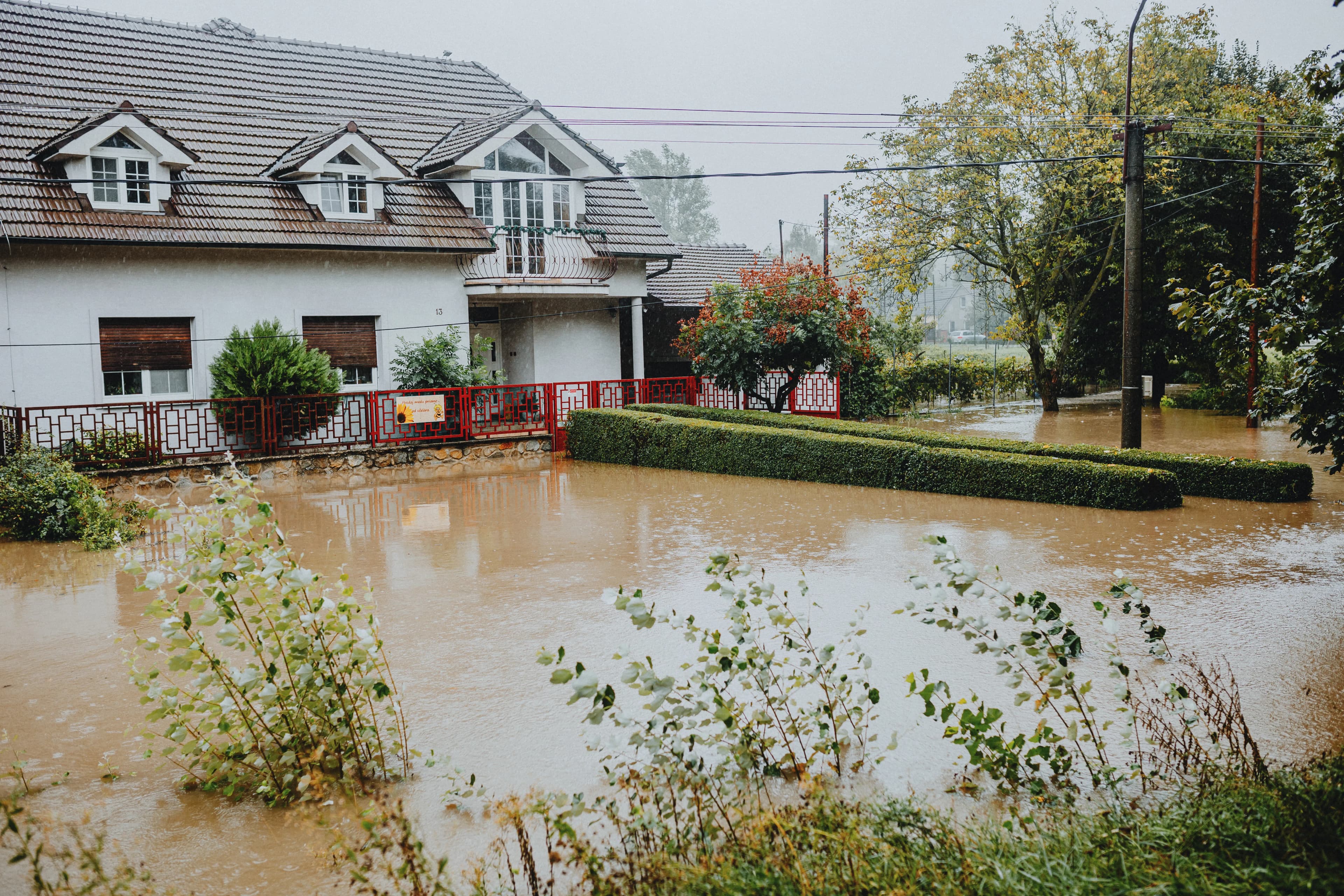
Imagine a world where the very ground beneath your home, once a symbol of security, begins to shift, not violently, but subtly, with the rising tide of climate change. For many homeowners, this isn't a dystopian vision, but a present reality. The insurance industry, once a steadfast protector, is undergoing a quiet but profound exodus from regions deemed too risky. This shift isn't just about escalating premiums; it’s about a fundamental reevaluation of risk that directly impacts your most significant asset: your home's value.
Across the nation, homeowners are confronting a new paradigm where the cost of protecting against flood damage is skyrocketing, and in some cases, coverage is becoming unattainable. This isn't just a localized problem; it's a systemic challenge driven by more frequent and severe natural disasters and the escalating costs of claims. For homeowners in affected areas, this quiet withdrawal of insurance companies or the dramatic increase in premiums can be a significant financial burden, directly translating into a considerable decrease in property values and deterring potential homebuyers who are wary of the long-term financial implications.
The Rising Tide of Flood Insurance Premiums
The landscape of flood insurance is undergoing unprecedented change. Homeowners are witnessing substantial increases in their flood insurance premiums, a trend fueled by a confluence of critical factors. Rising sea levels, more intense and frequent rainfall events, and the continuous updating of flood maps by authorities like FEMA are all contributing to this upward trajectory. A pivotal force behind these changes is FEMA's innovative Risk Rating 2.0 system, which has fundamentally transformed how flood insurance premiums are calculated. This isn't just about broad flood zones anymore; it's about a highly granular, property-specific assessment.
Risk Rating 2.0 marks a significant departure from previous methodologies. Instead of solely relying on generalized flood zone designations, the system now considers individual factors pertinent to each property. This includes crucial data points such as a home's elevation relative to flood levels, its foundation type, its proximity to water sources, and perhaps most critically, its claims history. This personalized approach aims to create a more equitable system, but for many, it means a stark realization of their property’s true flood risk and the associated financial costs.
Decoding Flood Risk: FEMA Maps and Beyond
Understanding your flood risk begins with FEMA's flood zone maps. These maps are indispensable tools for identifying flood-prone regions and directly influence whether flood insurance is mandatory and, to a significant extent, how much it will cost. It's crucial for homeowners to recognize that these maps are not static; they are dynamic documents, subject to frequent updates. A reevaluation of local hydrology or new mapping technologies can alter risk classifications, potentially moving a property into a higher-risk zone overnight and subsequently impacting insurance requirements and premiums.
As mentioned, FEMA's Risk Rating 2.0 system has revolutionized this assessment. It delves deeper than simple zone classifications, analyzing specific characteristics that make one property more vulnerable than another, even within the same flood zone. This granular detail ensures that premiums better reflect actual risk. However, it's a common misconception that only properties within designated high-risk flood zones are susceptible to flooding. Data consistently proves otherwise; FEMA reports that a staggering 20% of all flood insurance claims originate from properties located outside these officially designated high-risk areas. This highlights a critical oversight for many homeowners who mistakenly believe they are safe simply because their address isn't in a red zone.
The Critical Gap: Why Standard Homeowners Insurance Falls Short
One of the most dangerous myths in homeownership is the belief that a standard homeowners' insurance policy provides coverage for flood damage. This is unequivocally false. Standard policies, while comprehensive for perils like fire, theft, and wind, almost universally exclude damage caused by flooding. For genuine protection against the devastating financial fallout of a flood event, homeowners must purchase a separate flood insurance policy.
For many, especially those with federally backed mortgages, obtaining flood insurance isn't merely a recommendation; it's often a mandatory requirement if their property is situated in a high-risk flood zone. Lenders require this coverage to protect their investment, ensuring that the property can be rebuilt or repaired in the event of a flood. Despite this, a significant portion of properties across the United States faces substantial uninsured flood losses. This alarming statistic is partly due to the persistent misconception that standard policies cover floods, or simply a lack of awareness about their actual flood risk. Homeowners need to proactively understand their coverage gaps, similar to how they might explore other essential financial protections like those discussed in a guide on embedded real estate coverage for mortgage apps.
Climate Change and Buyer Hesitation
The growing awareness of climate change and the increasing frequency and severity of flood risks are having a palpable effect on the real estate market. Prospective buyers are becoming far more discerning and hesitant when considering properties in vulnerable regions. This reluctance isn't just theoretical; it translates directly into reduced property demand and, consequently, lower property values in areas perceived to be at higher flood risk. Buyers are increasingly factoring in not just the immediate cost of insurance, but also the long-term potential for property damage, the difficulty of resale, and the general quality of life in areas prone to recurring flood events. The 'quiet exodus' of insurers is paralleled by a quiet, but growing, exodus of buyer interest.
Empowering Homeowners: Mitigation and Cost Reduction
While the challenges are significant, homeowners are not powerless. Several proactive strategies can help reduce flood risk and potentially mitigate the financial impact of escalating insurance premiums.
The Value of an Elevation Certificate
One of the most beneficial tools at a homeowner’s disposal is an elevation certificate. This document provides specific data on a building's elevation relative to flood levels. For properties where the lowest floor is above the Base Flood Elevation (BFE), an elevation certificate can be instrumental in demonstrating lower risk to insurers, potentially leading to significantly lower flood insurance premiums, particularly under FEMA's Risk Rating 2.0 system where elevation is a key determinant of cost.
Implementing Mitigation Strategies
Beyond documentation, physical mitigation strategies are crucial. Homeowners can implement various measures to reduce their property's susceptibility to flood damage:
- Elevating Homes: For homes in particularly vulnerable areas, physically raising the structure above the BFE is the most effective long-term solution.
- Retrofitting Structures: This includes actions like installing flood vents, reinforcing foundations, or using flood-resistant materials.
- Improving Drainage Systems: Ensuring proper grading around the home, installing French drains, or creating rain gardens can divert water away from the foundation.
- Relocating Utilities: Moving electrical panels, water heaters, and furnaces to higher floors can prevent costly damage and ensure quicker recovery.
Investing in these strategies not only protects the property but can also lead to substantial savings on flood insurance over time, making a home more attractive to future buyers.
Navigating the Insurance Landscape: NFIP vs. Private Options
Historically, the National Flood Insurance Program (NFIP), administered by FEMA, has been the primary provider of flood insurance in the United States. It plays a critical role in providing essential coverage in communities that participate in its floodplain management programs. However, the insurance market is evolving.
Private flood insurance options are becoming increasingly prevalent, offering homeowners an alternative to the NFIP. These private policies can sometimes offer broader coverage, higher limits, or more competitive pricing, depending on the property's specific risk profile. A significant advantage of private flood insurance is the potential for continuous coverage, a crucial consideration given that NFIP authorizations have historically been subject to lapses due to Congressional reauthorization delays. Exploring both NFIP and private market options is essential for comprehensive protection.
Beyond Your Property Line: Neighborhood Impact
The ramifications of flooding extend far beyond individual property lines. A single flood event, or the perceived risk of future floods, can profoundly impact the value of entire neighborhoods. When infrastructure is damaged—roads become impassable, utilities are disrupted, and public services are strained—the collective appeal and functionality of an area diminish. The cumulative effect of multiple damaged properties, coupled with the heightened perceived risk of living in close proximity to frequently flooded areas, can lead to a significant decline in overall neighborhood property values. This creates a ripple effect, impacting not just homeowners directly affected but everyone within the community.
Conclusion: Proactive Steps for a Secure Future
The quiet insurance exodus is a stark reminder that the financial landscape of homeownership is shifting. Flood risk is no longer a peripheral concern; it is a central factor in property valuation, insurability, and long-term financial stability. Homeowners must move beyond complacency and adopt a proactive stance.
Understanding your specific flood risk, exploring all available insurance options—both NFIP and private—and diligently implementing mitigation strategies are no longer optional but essential steps. Consulting with an experienced insurance professional and a real estate agent specializing in flood-prone areas can provide invaluable guidance. By taking these decisive actions now, homeowners can better protect their most valuable asset, safeguard their financial future, and navigate the evolving challenges of flood risk with confidence and resilience.