Imagine a home that not only reduces your carbon footprint but also puts more money back into your pocket every single month. It's not a distant dream of environmental activists; it's the tangible reality of eco-friendly living in 2025, offering a compelling blend of financial prudence and planetary responsibility. As the world shifts towards sustainability, the real estate market is undergoing a significant transformation, recognizing and rewarding properties that embrace green principles. For homeowners and prospective buyers alike, this revolution presents an unprecedented opportunity: the eco-friendly home advantage, characterized by lower mortgage rates, substantial savings, and a healthier lifestyle.
The Green Revolution in Real Estate: More Than Just a Trend
The move towards sustainable living is no longer a niche market; it's a driving force reshaping consumer preferences and investment strategies across sectors, particularly in real estate. The rising awareness of climate change, coupled with escalating energy costs, has propelled eco-friendly homes into the mainstream. These aren't just properties with a few solar panels; they are intelligently designed and constructed residences that integrate energy efficiency, sustainable materials, and smart technologies to minimize environmental impact and maximize occupant well-being. This shift signifies a profound evolution in what buyers value, moving beyond aesthetics to encompass long-term operational costs, health benefits, and a property's resilience. For investors and developers, understanding this dynamic is crucial for future-proofing portfolios and meeting the demands of an increasingly eco-conscious clientele.
Unlocking Financial Perks: How Eco-Homes Boost Your Wallet
The most immediate and perhaps most appealing aspect of owning an eco-friendly home is the undeniable financial benefit. These advantages are multi-faceted, impacting everything from your monthly bills to your long-term investment returns.
Significant Savings on Utility Bills
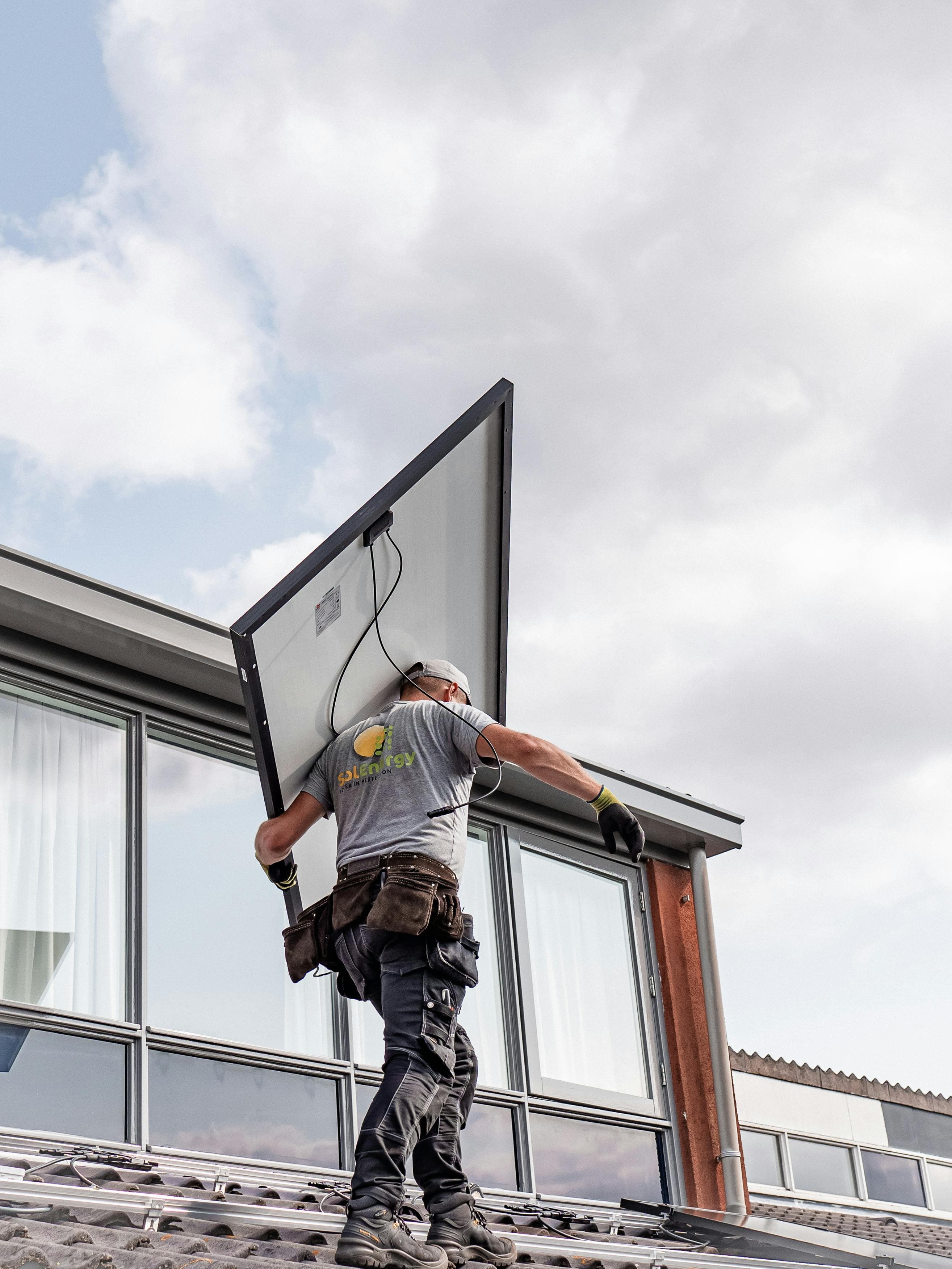
One of the most tangible benefits of an eco-friendly home is the drastic reduction in energy consumption, directly translating into lower utility bills. Homes built or retrofitted with sustainability in mind feature superior insulation, high-efficiency windows, energy-star rated appliances, and often renewable energy sources like solar panels. These elements work in concert to drastically cut down on heating, cooling, and electricity costs. Imagine slashing your monthly energy expenditure by 30%, 50%, or even more; this is a common reality for owners of truly green homes. Over the lifespan of a mortgage, these savings accumulate into tens of thousands of pounds, freeing up capital for other investments or simply enhancing your disposable income.
Preferential Green Mortgage Rates
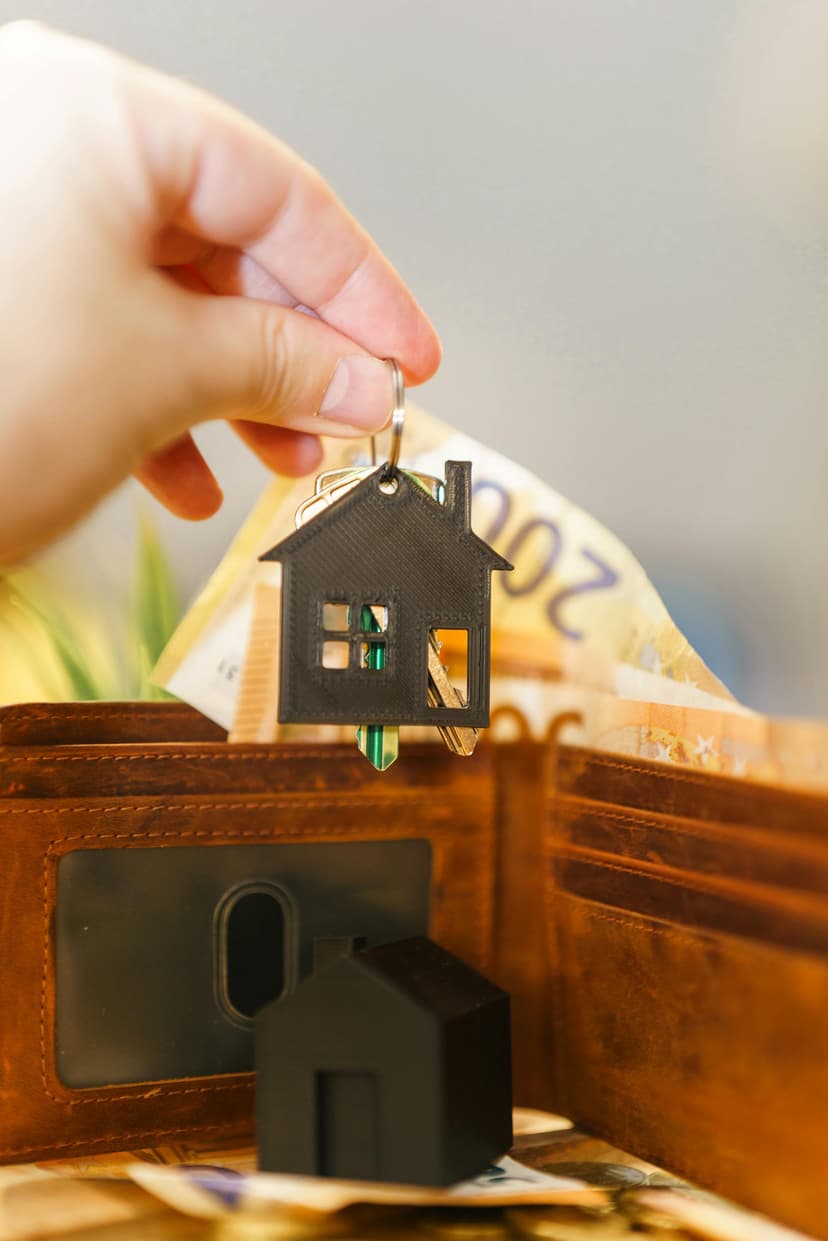
As the financial sector increasingly recognizes the reduced risk associated with energy-efficient properties, specialized "green" mortgage programs have emerged, offering preferential rates and more favorable terms. Lenders understand that homes with lower running costs mean borrowers are less likely to default on their mortgage payments. Many financial institutions now offer bespoke products for properties meeting specific energy performance criteria, such as those with high Energy Performance Certificate (EPC) ratings. For instance, in the UK, properties aiming for or achieving an EPC rating of C or higher can often access these beneficial rates, making the initial investment in sustainability even more attractive. You can learn more about the importance of such compliance and how it future-proofs properties by exploring resources like our guide on UK EPC C Compliance: Property Future-Proofing 2025. This direct financial incentive can significantly lower your monthly mortgage repayments, offering a tangible reward for choosing a sustainable path.
Enhanced Property Value and Appraisal
Eco-friendly features are no longer just optional extras; they are becoming crucial drivers of property value and appraisal. Homes that boast sustainable attributes, such as solar panels, rainwater harvesting systems, or advanced insulation, are increasingly appraised at higher values. This is not merely due to the cost of the installations but reflects the long-term savings and desirability these features impart. Furthermore, the long-term resale value of eco-friendly homes is consistently increasing due to a growing demand for sustainable properties. As environmental awareness grows and energy prices continue their upward trend, future buyers are willing to pay a premium for homes that offer reduced running costs and a smaller carbon footprint. This means your initial investment in green features pays dividends not only through ongoing savings but also when it comes time to sell.
Government Incentives and Tax Credits
To accelerate the adoption of sustainable practices, many governments and local authorities offer a range of incentives and tax credits for eco-friendly upgrades and new constructions. These can include grants for installing renewable energy systems, tax breaks for energy-efficient renovations, or rebates for purchasing high-efficiency appliances. These financial inducements can significantly offset the upfront costs of making a home more sustainable, making the transition more accessible and economically viable for a wider demographic. Staying informed about the latest government schemes can unlock substantial savings for homeowners committed to green living.
Reduced Maintenance and Extended Lifespan
Sustainable homes are often built with durable, high-quality, and low-maintenance materials that naturally decrease the need for frequent repairs and replacements. For instance, durable roofing materials, energy-efficient windows designed for longevity, and drought-resistant landscaping all contribute to lower ongoing maintenance costs. Beyond the materials, the components and appliances within an eco-friendly home are typically chosen for their efficiency and extended lifespan. High-quality, energy-star rated appliances, for example, are not only more efficient but also built to last longer, reducing the frequency and cost of replacements. This focus on durability translates into fewer headaches and significant savings over the years.
Shielding Against Energy Price Volatility
One of the often-overlooked financial benefits of an eco-friendly home is its inherent protection against rising energy prices. By reducing reliance on external energy grids through measures like solar power generation or superior insulation, homeowners gain greater control over their energy costs. In an era of unpredictable global energy markets, this insulation from price volatility provides significant financial security and peace of mind. Your monthly budget becomes more predictable, freeing you from the anxieties of fluctuating utility rates.
Lower Insurance Premiums
Homes constructed or upgraded with resilient, eco-friendly features may also qualify for lower insurance premiums. Insurers are increasingly recognizing that properties built to higher sustainability standards often incorporate materials and designs that make them more resistant to environmental factors like storms, floods, and extreme temperatures. Features like reinforced roofs, water-efficient landscaping, and smart home systems that detect leaks or fires early can reduce risk, prompting insurers to offer more favorable rates. This added layer of financial benefit further enhances the overall cost-effectiveness of green living.
Access to Specialized Funding for Upgrades
Beyond initial mortgages, homeowners committed to improving their property's energy efficiency can often access specialized loans for energy-efficient improvements. These "green improvement loans" are designed specifically to finance upgrades like solar panel installation, high-efficiency HVAC systems, or advanced insulation. Often, these loans come with more attractive interest rates or flexible repayment terms than standard personal loans, further incentivizing homeowners to invest in their property's sustainability and unlock even greater long-term savings.
Beyond the Wallet: A Healthier Home and Planet
While the financial benefits are substantial, the advantages of an eco-friendly home extend far beyond monetary gains, impacting the health of its occupants and the planet.
Superior Indoor Air Quality and Well-being
Eco-friendly homes prioritize improved indoor air quality and overall occupant health. This is achieved through advanced ventilation systems that filter out pollutants, the use of low-VOC (Volatile Organic Compound) paints and building materials, and a design philosophy that minimizes mold and allergen accumulation. The result is a healthier living environment, reducing the incidence of respiratory issues and promoting a greater sense of well-being for everyone living in the home. It’s an investment in your family's health that far outweighs any initial cost.
Your Contribution to a Sustainable Future
Perhaps the most profound, albeit intangible, benefit is the knowledge that you are actively reducing your carbon footprint and making a positive environmental impact. By consuming less energy, conserving water, and utilizing sustainable resources, eco-friendly homeowners play a crucial role in mitigating climate change and promoting a healthier planet for future generations. This sense of contributing to a larger good adds an invaluable dimension to homeownership, aligning personal values with practical living.
Making the Transition: Tips for Eco-Conscious Buyers and Sellers
For those looking to buy an eco-friendly home, prioritize properties with clear energy performance certifications and ask about specific green features. For sellers, highlighting your home's sustainable attributes and the associated financial benefits is key to attracting eco-conscious buyers and maximizing your asking price. Invest in an updated EPC and be ready to detail the savings your home offers.
Conclusion: The Smart Investment for 2025 and Beyond
The eco-friendly home advantage is a multifaceted benefit that resonates deeply in 2025's real estate market. From significantly lower utility bills and preferential green mortgage rates to increased property values, government incentives, and reduced maintenance costs, the financial case for sustainable living is compelling. Beyond the monetary rewards, these homes offer a healthier environment for occupants and contribute positively to our planet. Investing in an eco-friendly home is not just a trend; it's a smart, responsible, and increasingly lucrative decision for homeowners, offering a pathway to substantial savings, enhanced well-being, and a truly future-proof property investment. It's time to embrace the green revolution and reap its abundant rewards.