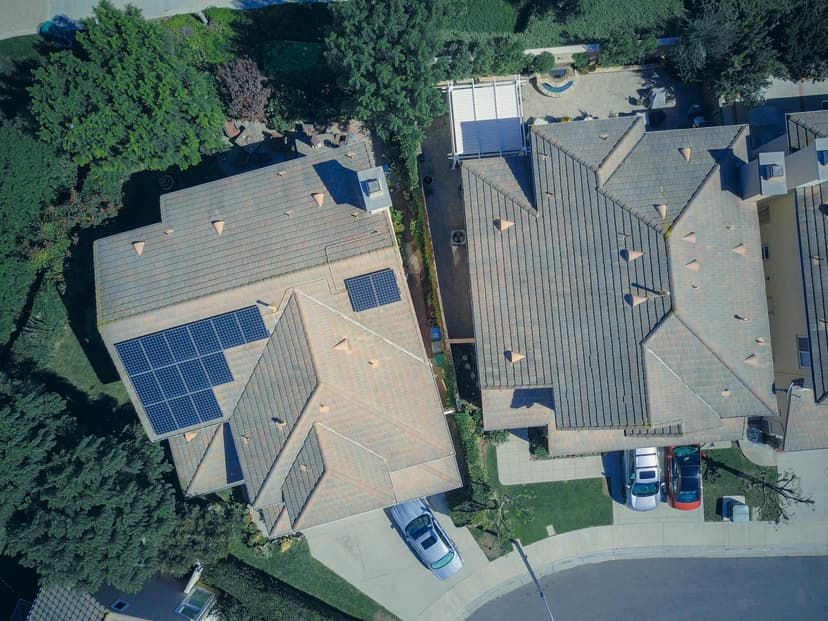
Imagine unlocking a consistent stream of income from your own property, turning an underutilized space into a lucrative asset. For many homeowners, an annexe isn’t just an extra room; it’s a hidden gem with immense potential to generate passive income. In 2026, with evolving housing demands and a drive for financial resilience, converting your annexe into a rental unit offers a compelling path to bolster your finances. This comprehensive guide will walk you through every critical step, from initial planning and navigating regulations to securing your investment with the right insurance and effectively managing your new venture, ensuring you transform your annexe into a profitable and stress-free income source.
The Uncorked Potential of Your Home Annexe
Your home annexe, whether a self-contained apartment, a converted garage, or a separate dwelling on your plot, represents a significant, often overlooked, financial opportunity. As living trends shift towards multi-generational households, remote work, and a demand for flexible, smaller living spaces, the market for annexe rentals is thriving. Homeowners who strategically rent out their annexes can tap into this demand, generating substantial passive income that can contribute to mortgage payments, savings, or simply provide a welcome financial boost. But like any property venture, success hinges on meticulous planning, adherence to regulations, and robust protection for your asset and income.
Laying the Foundation: Planning & Compliance
Assessing Feasibility and Local Regulations
Before any renovation or listing, the first critical step is to understand the legal landscape governing rental properties in your area. Local zoning laws, planning permissions, and building codes dictate what can and cannot be done with your annexe. Failing to comply can lead to significant fines, forced eviction of tenants, and even invalidation of your insurance policies. You’ll need to research: what constitutes a habitable dwelling, any restrictions on short-term versus long-term rentals, parking requirements, and if your annexe falls under specific planning categories. For instance, converting a space that wasn’t originally designed for independent living often requires obtaining formal planning permission, even if it’s already built. Additionally, check for any covenants on your property deeds or, if you're leasehold, any restrictions from your freeholder that might prohibit or complicate renting out a separate dwelling. Understanding these parameters upfront will save you considerable time and expense down the line and ensure your rental operation is fully legitimate and insurable.
Financial Planning and Budgeting for Success
Converting your annexe into a profitable rental requires a clear financial roadmap. Begin by calculating all initial setup costs. This might include significant renovations to bring the annexe up to rental standards (e.g., installing a kitchen or bathroom, ensuring separate utility meters), furnishing costs, legal fees for drafting lease agreements, and marketing expenses. Beyond the initial outlay, factor in ongoing expenses: routine maintenance, potential repairs, utility bills (if you’re including them), property management fees (if outsourcing), and, crucially, your landlord insurance premiums. Project your potential rental income by researching comparable properties in your area. This will enable you to determine a realistic rental price and, by subtracting your projected expenses, calculate your potential profit margins and return on investment (ROI). A robust budget helps you avoid financial surprises and ensures your annexe rental is a truly profitable venture, not a financial drain.
Protecting Your Investment: Legal & Insurance Essentials
Navigating Landlord-Tenant Laws and Lease Agreements
Becoming a landlord means understanding a new set of legal responsibilities and tenant rights. Landlord-tenant laws vary by region but generally cover aspects like deposit protection, repair obligations, eviction procedures, and notice periods. A comprehensive and legally sound lease agreement is your primary defense against potential disputes. This document should clearly outline the terms of the tenancy, including rent amount, payment due dates, duration of the tenancy, responsibilities for repairs and maintenance, pet policies, and rules regarding utility payments. It’s advisable to have a legal professional draft or review your lease to ensure it is compliant with all local regulations and adequately protects your interests as a landlord, minimizing ambiguity and potential for conflict.
The Critical Role of Landlord Insurance
Perhaps the most vital protection for your annexe rental operation is specialized landlord insurance. Many homeowners mistakenly believe their standard home insurance policy will cover their annexe once it’s rented out. This is a common and potentially catastrophic oversight. Standard home insurance policies are typically designed for owner-occupied properties and often become void the moment you start generating rental income. Landlord insurance, on the other hand, is specifically designed to protect your investment from risks associated with renting. It typically includes: buildings insurance (covering the physical structure), contents insurance (if you’re renting a furnished annexe), and, crucially, public liability insurance, which protects you if a tenant or visitor is injured on your property and you are found responsible.
Additional valuable add-ons often include rent guarantee insurance (to cover lost rent if tenants default), legal expenses insurance (for eviction costs or disputes), and malicious damage by tenants cover. Investing in the right landlord insurance policy provides peace of mind, safeguarding your property, your income, and your financial future against unforeseen events, tenant-related issues, or liability claims. For a deeper dive into protecting your investment beyond basic home coverage, explore our guide on insuring your real estate side hustle.
Preparing for Prosperity: Getting Your Annexe Ready
From Renovation to Readiness: Preparing the Annexe
Once the legal and financial groundwork is laid, it’s time to prepare the annexe itself. The goal is to make it safe, habitable, and appealing to potential tenants. Ensure all essential systems are in good working order: heating, plumbing, electrical, and gas (if applicable). Obtain all necessary safety certifications, such as a Gas Safety Certificate and Electrical Installation Condition Report (EICR), as these are legal requirements for landlords and crucial for insurance validity. Address any necessary renovations, like updating kitchens or bathrooms, repainting, and fixing any structural issues. Furnishing decisions depend on your target market, but ensure any provided furniture meets safety standards. Focus on creating a clean, well-maintained, and welcoming environment that tenants will be eager to call home. Remember, a well-cared-for property attracts higher-quality tenants and often commands a better rental price.
Strategic Pricing: Determining Your Annexe's Rental Value
Setting the right rental price is a balance between maximizing your profit and attracting tenants quickly. Research comparable rentals in your immediate area. Look at properties of similar size, amenities, and condition. Consider your annexe's unique selling points: a private entrance, garden access, off-street parking, proximity to public transport, or local amenities. An annexe with modern finishes or inclusive utilities might justify a slightly higher rent. Be realistic but competitive. Overpricing can lead to long void periods, while underpricing leaves money on the table. Adjust your price based on market demand and feedback from initial viewings. Monitoring the local rental market continuously in 2026 will allow you to make informed adjustments and keep your annexe competitively priced and occupied.
Attracting & Securing Ideal Tenants
Marketing Your Annexe: Standing Out in the Rental Market
Effective marketing is key to finding the right tenant. Create compelling listings with high-quality, well-lit photos that showcase the annexe’s best features. A detailed description should highlight its unique selling points, amenities, and location advantages. Utilize popular online rental platforms, local classifieds, and consider engaging a local real estate agent for wider reach and professional handling. Be clear about what is included (e.g., utilities, internet, furnishing) and any specific rules or restrictions (e.g., no pets, non-smokers). The goal is to present your annexe in the best possible light to attract suitable applicants.
The Art of Tenant Screening and Selection
Finding reliable and responsible tenants is paramount to a successful rental experience and helps mitigate risks that could lead to insurance claims. Develop a thorough tenant screening process. This should include: comprehensive background checks (criminal history where legally permissible), credit checks to assess financial reliability, employment verification to confirm income stability, and reference checks from previous landlords to gauge tenancy history. Conduct interviews to assess personality fit and answer any questions. A diligent screening process significantly reduces the risk of late payments, property damage, and disputes, ultimately protecting your investment and ensuring a smoother landlord experience.
Crafting a Legally Robust Lease Agreement
As previously mentioned, your lease agreement is a crucial legal document. It must clearly outline all terms and conditions of the tenancy. Beyond rent and duration, specify responsibilities for minor repairs, gardening (if applicable), waste disposal, and utility payments. Include clauses regarding property access (with proper notice), pet policies, and any restrictions on alterations or sub-letting. Clearly define the deposit amount, how it will be protected (e.g., in a government-approved scheme), and the conditions for its return. A well-drafted lease minimizes misunderstandings, provides a clear framework for resolving disputes, and serves as a vital reference point should any legal or insurance issues arise.
Seamless Management: From Utilities to Maintenance
Managing Utilities and Essential Maintenance
Decide how utilities will be handled. Options include: incorporating all utilities into the rent, having the tenant pay for all utilities directly (requiring separate meters), or a hybrid approach. Clearly outline this in the lease. Establish a proactive maintenance schedule for the annexe, covering routine checks and preventative measures. Have a plan in place for emergency repairs, providing tenants with clear contact information and expected response times. Promptly addressing maintenance issues not only keeps your tenants happy but also prevents minor problems from escalating into costly repairs or safety hazards, which could lead to liability issues or larger insurance claims.
Effective Property Management for Sustained Success
Successful property management involves more than just collecting rent. Implement efficient systems for rent collection, perhaps through direct debit or an online portal. Maintain open and timely communication channels with your tenants, addressing questions or concerns professionally and promptly. Schedule periodic property inspections (with appropriate notice) to ensure the annexe is being well-maintained and to identify any potential issues early. Effective management fosters a positive landlord-tenant relationship, encourages tenants to care for the property, and helps maintain the value of your investment. You might consider professional property management if you lack the time or inclination for hands-on management.
Prioritizing Tenant Safety and Security
Ensuring the safety and security of your tenants is a non-negotiable responsibility. Install working smoke detectors and carbon monoxide alarms, and ensure they are regularly tested. Provide secure locks on all doors and windows. Ensure adequate external lighting around the annexe. All appliances and systems provided must be up to current safety codes and standards. Provide tenants with clear emergency procedures, including contact numbers for essential services and yourself. Document all safety checks and maintenance, as this not only protects your tenants but also provides critical evidence of due diligence should a liability claim ever arise, reinforcing your insurance coverage.
Financial Acumen: Taxes and Maximizing Returns
Understanding Tax Implications and Meticulous Record Keeping
Generating rental income comes with tax obligations. You will need to declare your rental income to the relevant tax authorities. However, you can typically offset many expenses incurred in running your rental property against this income, such as mortgage interest (subject to certain restrictions), repair costs, utility bills, agent fees, and, of course, your landlord insurance premiums. Maintaining meticulous financial records is essential for accurate accounting and tax purposes. Keep all receipts, invoices, bank statements, and a detailed ledger of income and expenses. This organized approach will simplify your annual tax returns and provide invaluable data for assessing the profitability of your annexe rental.
Strategies for Maximizing Passive Income
Beyond simply collecting rent, there are strategies to maximize the passive income from your annexe. Regularly review your rental price against the current market to ensure you’re not leaving money on the table. Consider offering value-added services, such as partial furnishing, inclusive high-speed internet, or even occasional cleaning services, which can justify a slightly higher rent. Explore optimizing rental periods – for example, a short-term holiday let might yield higher returns in a popular tourist area, but involves more intensive management and different regulatory/insurance requirements than a long-term tenancy. Reinvesting a portion of your profits into property improvements can enhance appeal and allow for future rent increases, further cementing your annexe as a consistent, profitable asset.
Conclusion: Your Journey to Annexe Rental Profit
Renting out your home annexe offers a compelling route to generating significant passive income and enhancing your financial stability in 2026 and beyond. While the journey involves careful planning, adherence to regulations, and diligent management, the rewards are substantial. By meticulously assessing feasibility, securing the right landlord insurance, preparing your space with care, diligently screening tenants, and managing your property effectively, you can transform your annexe from an underutilized space into a thriving, income-generating asset. Embrace this opportunity with foresight and professionalism, and you’ll unlock a valuable source of financial growth right on your doorstep.